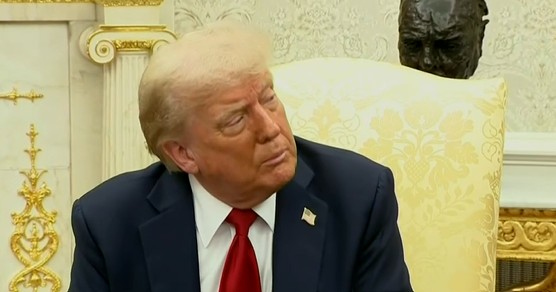
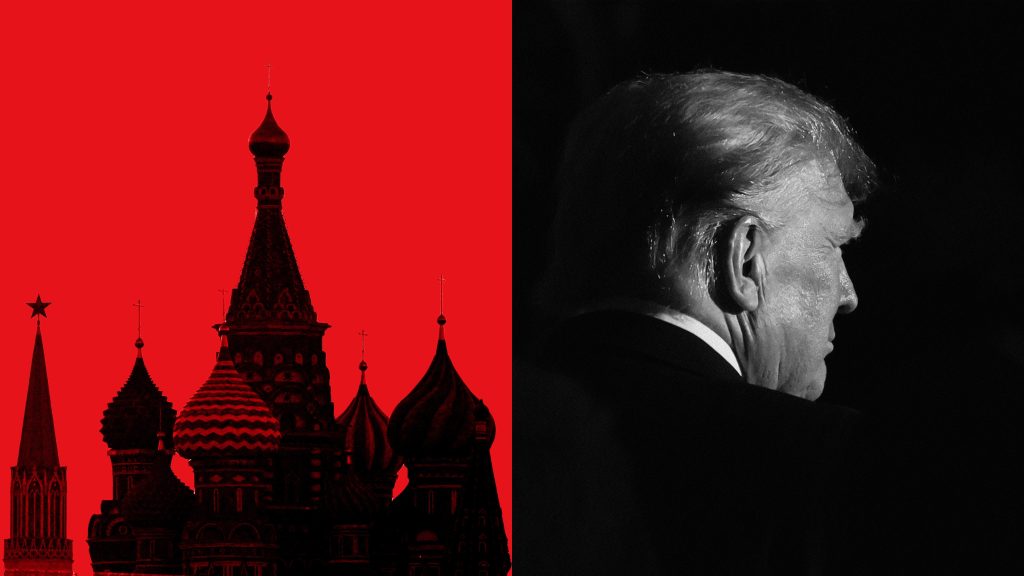
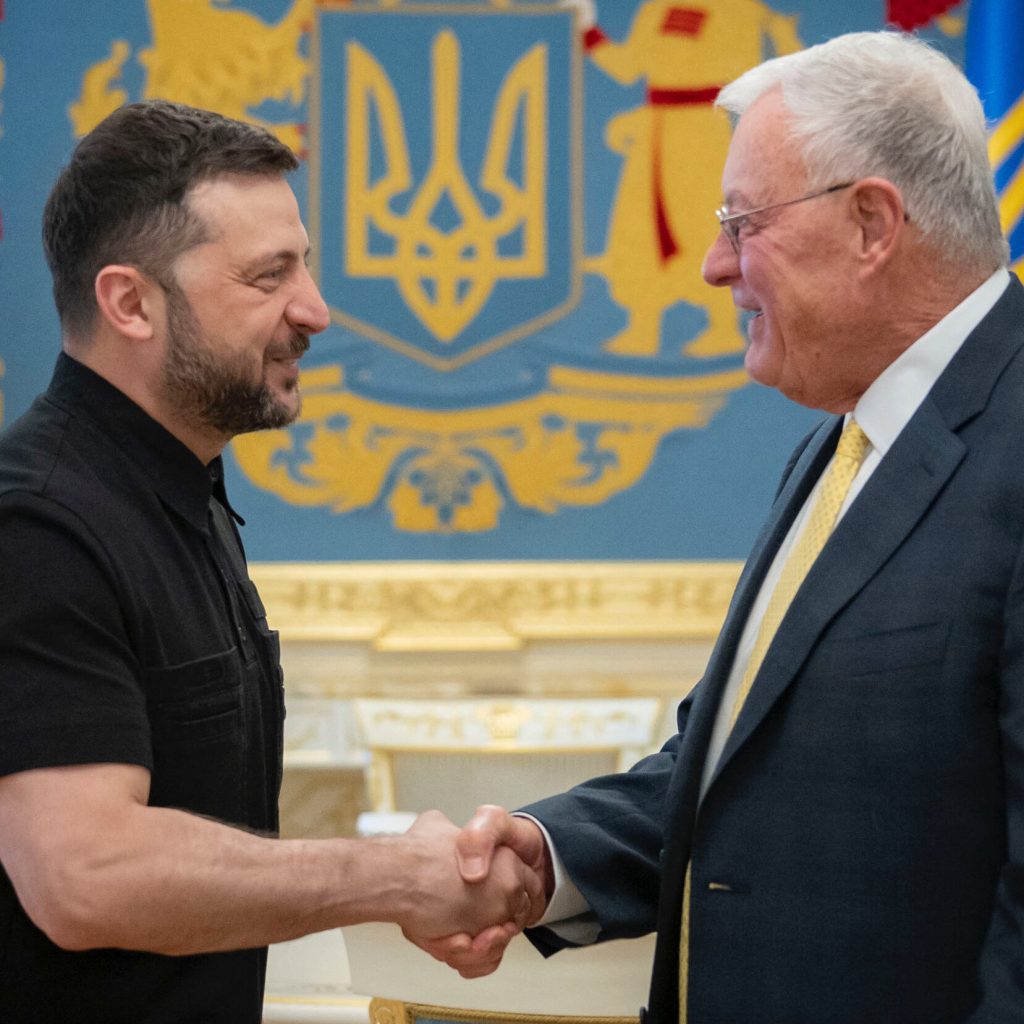
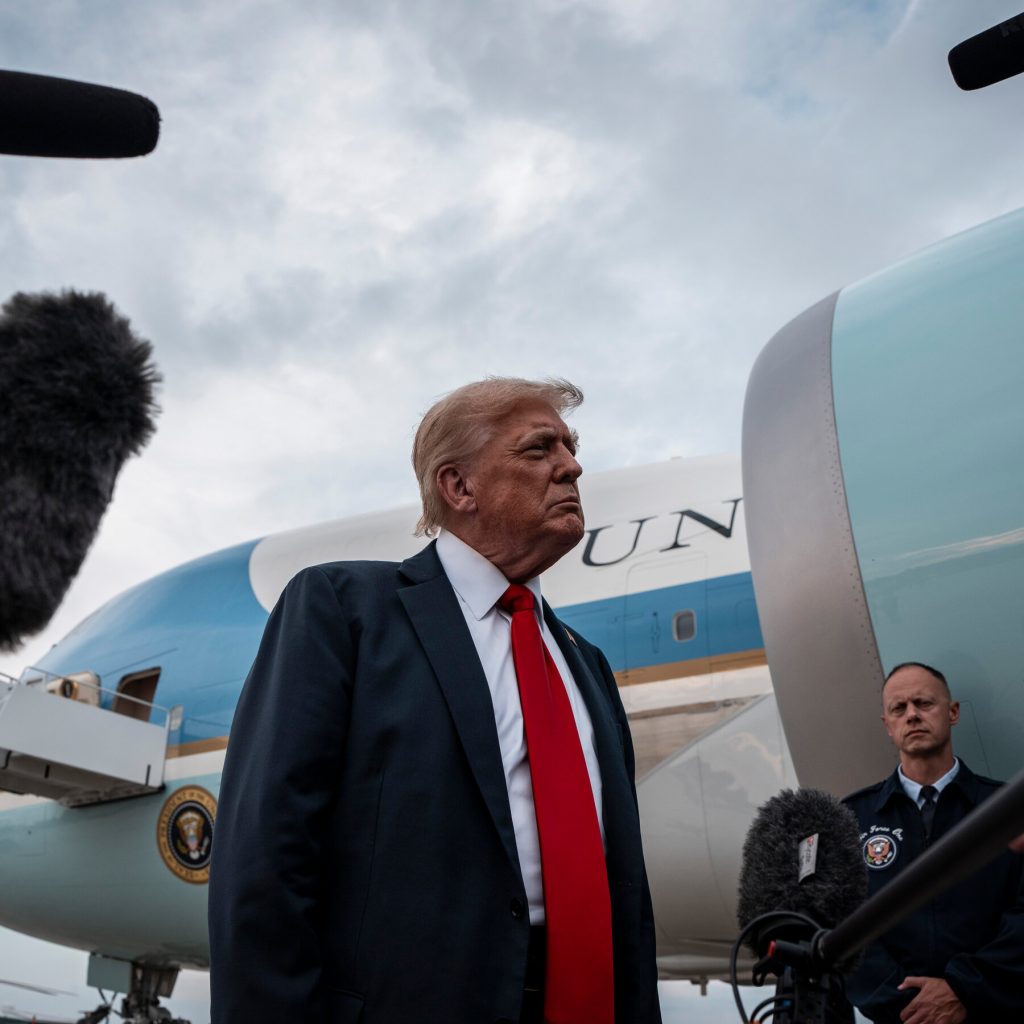
President Donald Trump is finally taking the fight to Vladimir Putin. Sort of. For now. Trump’s deference to Russia’s authoritarian leader has been one of the most enduring geopolitical subplots of the past decade. But his frustration with Putin has grown. Last week, the president said the United States was taking “a lot of bullshit” from Putin. Today, he authorized a significant shipment of U.S. defensive weapons to Ukraine via NATO and threatened Russia with new tariffs if the war does not end in 50 days. The change, though, is not reflective of Trump adopting a new strategic worldview, two White House officials and two outside advisers to the president told me, speaking on the condition of anonymity to discuss sensitive matters. Trump did not develop a new fondness for Ukraine or its president, Volodymyr Zelensky. He did not abruptly become a believer in the traditional transatlantic alliances prized by his predecessors as a counterweight to Moscow. Rather, Trump got insulted. By ignoring Trump’s pleas to end the war and instead ratcheting up the fighting, Putin has made Trump look like the junior partner in the relationship. The Russian leader has “really overplayed his hand,” one of the officials told me. “The president has given him chance after chance, but enough is enough.” Trump came into office believing that he could deliver a lasting truce between Ukraine and Russia within 24 hours, banking on his relationship with Putin, which he considered good. For months, he largely sided with Moscow in its war against Ukraine, absolving Russia for having started the conflict and threatening to abandon Kyiv as it mounted a desperate defense. He upbraided Zelensky in the Oval Office in February and briefly stopped sharing intelligence with Ukraine. He believed that he could, in addition to working with his Russian counterpart to end the war, reset relations and forge new economic ties between the two countries. He even envisioned a grand summit to announce a peace deal. But Putin rejected repeated American calls to stop his attacks. Russia’s talks with Trump’s emissary, Steve Witkoff, went nowhere. Trump pulled back diplomatic efforts. In recent weeks, Trump has grown angrier with Putin and ended a brief pause by the Pentagon in sending weapons to Ukraine. Zelensky, meanwhile, has worked on repairing his relationship with Trump and agreed to a U.S. cease-fire proposal. In Trump’s own words, Putin began “tapping him along” by spurning that same deal while unleashing some of the biggest bombardments of the war. Trump and Putin have spoken a half dozen times in the past six months, and Trump has grown steadily more frustrated, the four people told me. He told advisers this spring that he was beginning to think Putin didn’t want the war to end, an assessment that U.S. intelligence agencies reached more than a year ago. [Read: Trump hands Putin another victory] When Trump recently intensified his calls for a cease-fire—at one point writing on social media, “Vladimir, STOP!”—Putin chose to defy him by escalating attacks on Ukraine yet again. The president was disturbed by his most recent call with Putin, held earlier this month, in which the Russian leader reiterated his goal to “liberate” Ukrainian territory that he believes belongs to Russia, one of the White House officials told me. The conflict’s front line remains largely frozen, but U.S. and European officials believe that Putin is planning a summer offensive and will launch more attacks on civilians in Ukraine’s cities. With Putin continuing to ignore his pleas for a deal, Trump has felt humiliated, fearing that he appears weak, one of the officials and one of the outside advisers told me. “I speak to him a lot about getting this thing done. And then I hang up and say, ‘That was a nice phone call,’ and the missiles are launched into Kyiv or some other city,” Trump told reporters in the Oval Office today, referring to Putin. “And then after that happens three or four times, you say the talk doesn’t mean anything.” Trump announced today that he would authorize a number of American weapons to be sent to the battlefield, including as many as 17 Patriot missile batteries, which will dramatically bolster Ukraine’s ability to shoot down incoming Russian missiles and drones (and were long sought by Zelensky). Seventeen would be a tall order; so far, the United States has provided two such batteries in three years of war. German Defense Minister Boris Pistorius, after meeting with U.S. Defense Secretary Pete Hegseth at the Pentagon today, told reporters that Germany would engage in talks with the United States to purchase two Patriot missile batteries to pass on to Ukraine. But Ukraine would likely not receive the systems for months, Pistorius said. The measures announced today will likely not alter the overall trajectory of the war, and they fall short of what some hoped Trump would authorize. But they could blunt Russia’s momentum in the conflict and, in turn, its desire to prolong the war. The moves also offered reassurances to Ukraine and Europe that Washington could still be a partner in their fight; NATO allies will finance the purchase of the American-made weapons, Trump said while sitting next to the alliance’s secretary general, Mark Rutte, in the Oval Office. “It’s not my war, and I’m trying to get you out of it. We want to see an end to it,” Trump said to Rutte. “I’m disappointed in President Putin because I thought we would have had a deal two months ago, but it doesn’t seem to get there.” Axios reported that Trump might also send some offensive, long-range weapons to Ukraine, but the president made no mention of that today. Since Inauguration Day, two competing camps have pressured Trump on Ukraine and Russia. Isolationists such as Vice President J. D. Vance and Steve Bannon, Trump’s longtime adviser, have pushed the president to walk away from Kyiv; more traditional Republicans, including the Trump-whispering Senator Lindsey Graham and Senate Majority Leader John Thune, have pushed