
On Texas floods, the media take their cue directly from the Democrats’ talking points
In better times, such a natural disaster would be met with a serious newsgathering effort and sober analysis. Not so today.


In better times, such a natural disaster would be met with a serious newsgathering effort and sober analysis. Not so today.

by Lauren McGaughy, The Texas Newsroom ProPublica is a nonprofit newsroom that investigates abuses of power. Sign up to receive our biggest stories as soon as they’re published. This article is co-published with The Texas Newsroom and The Texas Tribune as part of an initiative to report on how power is wielded in Texas. Texas Gov. Greg Abbott doesn’t want to reveal months of communications with Elon Musk or representatives from the tech mogul’s companies, arguing in part that they are of a private nature, not of public interest and potentially embarrassing. Musk had an eventful legislative session in Texas this year. In addition to his lobbyists successfully advocating for several new laws, Abbott cited the Tesla and SpaceX CEO as the inspiration for the state creating its own efficiency office and has praised him for moving the headquarters for many of his businesses to the state in recent years. As part of an effort to track the billionaire’s influence in the state Capitol, The Texas Newsroom in April requested Abbott and his staff’s emails since last fall with Musk and other people who have an email address associated with some of his companies. Initially, the governor’s office said it would take more than 13 hours to review the records. It provided a cost estimate of $244.64 for the work and required full payment up front. The Texas Newsroom agreed and cut a check. After the check was cashed, the governor’s office told The Texas Newsroom it believed all of the records were confidential and asked Texas Attorney General Ken Paxton, whose office referees disputes over public records, to allow the documents to be kept private. Matthew Taylor, Abbott’s public information coordinator, gave several reasons the records should not be released. He argued they include private exchanges with lawyers, details about policy-making decisions and information that would reveal how the state entices companies to invest here. Releasing them to the public, he wrote, “would have a chilling effect on the frank and open discussion necessary for the decision-making process.” Taylor also argued that the communications are confidential under an exception to public records laws known as “common-law privacy” because they consist of “information that is intimate and embarrassing and not of legitimate concern to the public, including financial decisions that do not relate to transactions between an individual and a governmental body.” He did not provide further details about the exact content of the records. The language Abbott’s office used appears to be fairly boilerplate. Paxton’s office, in an explanation of the common-law privacy exception on its website, mentions that “personal financial information” that doesn’t deal with government transactions “is generally highly intimate or embarrassing and must be withheld.” But Bill Aleshire, a Texas-based attorney specializing in public records law, was appalled that the governor is claiming that months of emails between his office and one of the world’s richest people are all private. “Right now, it appears they’ve charged you $244 for records they have no intention of giving you,” Aleshire said. “That is shocking.” Aleshire said it’s not unusual for government agencies to tap the common-law privacy exception in an attempt to withhold records from the public. But he’s used to it being cited in cases that involve children, medical data or other highly personal information — not for emails between an elected official and a businessman. “You’re boxing in the dark,” Aleshire said. “You can’t even see what the target is or what’s behind their claim.” Aleshire added that due to a recent Texas Supreme Court ruling, there is effectively no way to enforce public records laws against Abbott and other top state officials. He called the decision an “ace card” for these politicians. The case dealt with requests to release Abbott and Paxton’s communications in the wake of the Jan. 6 attack on the U.S. Capitol and the 2022 school shooting in Uvalde. The high court ruled that it is the only body that can review whether these officials are in compliance with public records laws. Kevin Bagnall, a lawyer representing Musk’s rocket company SpaceX, also wrote a letter to Paxton’s office arguing the emails should be kept secret. He cited one main reason: They contain “commercial information whose disclosure would cause SpaceX substantial competitive harm.” Most of the rest of Bagnall’s letter, which further explained SpaceX’s argument, was redacted. Musk and representatives for his companies did not respond to requests for comment for this story. Abbott’s spokesperson did not respond to specific questions about the records, including whether The Texas Newsroom would be refunded if Paxton withholds them. In a statement, he said, “The Office of the Governor rigorously complies with the Texas Public Information Act and will release any responsive information that is determined to not be confidential or excepted from disclosure.” The office of the attorney general has 45 business days to determine whether to release Abbott’s records. Lauren McGaughy is a journalist with The Texas Newsroom, a collaboration among NPR and the public radio stations in Texas. She is based at KUT in Austin. Reach her at lmcgaughy@kut.org. Sign up for KUT newsletters.

Experts warn of an era of “normalized violence,” impacting state and local officials along with national politicians – who are increasingly being attacked at home.
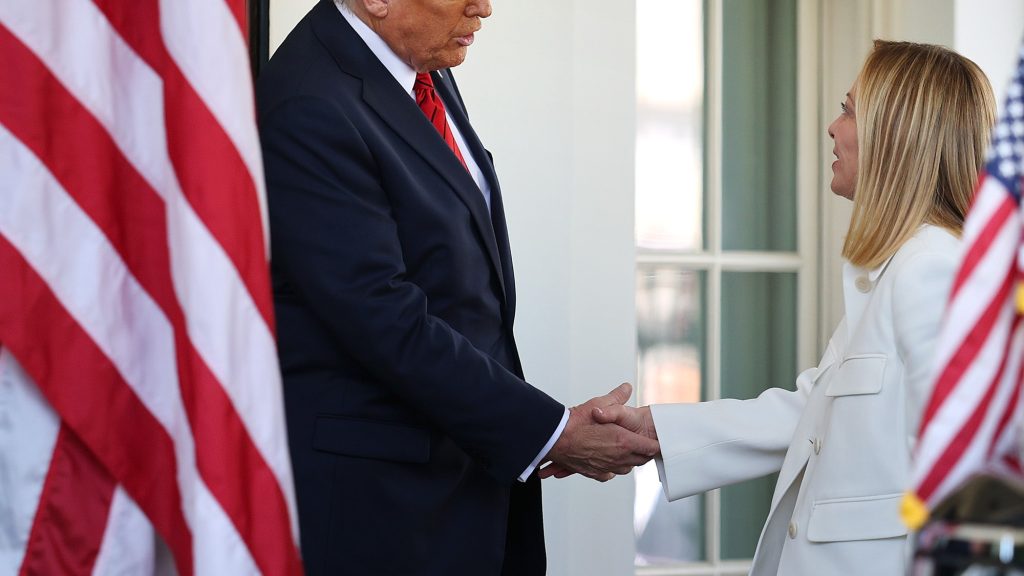
Italian Prime Minister Giorgia Meloni’s April visit to the White House was, by all accounts, a success. She soothed President Donald Trump with dulcet talk of “Western nationalism,” eased through a potentially awkward moment regarding Ukraine, and invited Trump to visit Rome—extracting a promise that he would come in the “near future.” Yet despite the apparently seamless choreography, she and her team offered some after-action advice to fellow world leaders hoping for similarly controversy-free exchanges with Trump: Prepare for the unexpected. Specifically, she had been caught off guard when, before a supposedly private lunch in the Cabinet Room, journalists had been escorted in for seven minutes of questions; she found herself awkwardly positioned with her back to the cameras—much of the footage of Meloni captures the silky blond strands atop her head—and she was forced to either ignore the media in order to address Trump directly or twist herself to the left, away from the president, to try to speak with the reporters. Exactly a week later, when Jonas Gahr Støre, the prime minister of Norway, arrived at the White House, he was prepared. His team had watched videos of prior visits with world leaders, and strategized over various scenarios. Having seen Trump seem to bristle when Meloni was asked a question in her native Italian, they encouraged their own press corps to pose their queries exclusively in English. (The Norwegian journalists also seemed to have done their homework; young female reporters positioned themselves near the front, smiling to catch Trump’s attention, and got in an early flurry of questions.) “You have to—to use Trump’s words—play the cards you have,” one European diplomat told us anonymously, like nearly every other diplomat or foreign official we spoke with, to avoid angering Trump or revealing their nation’s strategies for managing the mercurial U.S. president. [Anne Applebaum: The U.S. is switching sides] In Trump’s second term, foreign leaders now meticulously prepare for their phone calls and meetings with him, often war-gaming possible surprises and entanglements, and trading information and best practices with allies. Eight diplomats and officials from six countries, as well as other foreign-policy experts, all described to us an unofficial formula for ensuring fruitful interactions with Trump: an alchemic mix of flattery, firmness, and personal flourishes. Foreign leaders, especially those from fellow democracies, face an inherent tension in wanting to woo Trump while also advocating for their country’s own interests and maintaining their standing back home. “There is a sense that you want to be on the right side of history. You do want to be able to look at yourself in the mirror and reread your statements in the Oval Office a couple of years later and say, ‘I feel good about what I said,’” a second European diplomat told us. This, of course, can prove complicated. Ukrainian President Volodymyr Zelensky learned this lesson rather publicly in a now-infamous Oval Office blowup on the last day of February, which got him booted from the White House so quickly that Trump’s aides ate the lunch intended for him and his fellow Ukrainians. (“No deal and no meal,” Axios blared at the time.) And in May, South African President Cyril Ramaphosa was meeting with Trump in the Oval when the U.S. president unexpectedly dimmed the lights and began playing a video that he said buttressed his unsupported claim that South Africa’s white population is facing a “genocide.” “The leaders of friendly countries are turning keys in the lock desperately trying to find a way to prevent their meetings with President Trump from being disasters,” Kori Schake, the director of defense and foreign-policy studies at the American Enterprise Institute and a contributing writer at The Atlantic, told us. “The challenge for foreign leaders is that President Trump seems to only have two categories—supplicants and enemies.” But that hasn’t stopped visiting officials and diplomats from trying. “They ask knowledgeable Americans, ‘Might this work? This is what we’re thinking of trying. Do you think this is good enough?’” Schake told us. Even some of the preparations—walking through the day’s expected events in advance of the actual visit—underscore the inherent unpredictability of this administration. “Our entire walk-through with the White House was like, ‘This is what it’s going to be like, but we follow the lead of the president,’” the second European diplomat told us, laughing. Trump has long been eager to receive a Nobel Peace Prize—for any conflict, in any region. So it was not entirely surprising when the government of Pakistan nominated Trump for the prize last month for helping resolve tensions between Pakistan and India. Pakistan, after all, was simply following the dependable diplomatic crutch of flattery with Trump, hoping to improve its standing with the U.S. president by offering him the possibility of something he desperately covets. (His subsequent bombing of Iran’s nuclear sites created understandable consternation among Pakistanis, but during an Oval Office meeting last week, Israeli Prime Minister Benjamin Netanyahu took up the cause, announcing that he had, too, nominated Trump for the Nobel Prize—this time for his work in the Middle East.) The same week that Pakistan put Trump up for the peace prize, NATO Secretary General Mark Rutte engaged in some behind-the-scenes blandishments with Trump ahead of a NATO summit in the Netherlands—which became public when Trump posted on Truth Social the entirety of a text message Rutte had sent him. The missive praised Trump for his “decisive action in Iran,” which Rutte called “truly extraordinary,” before moving on to laud Trump for pressuring his NATO allies to spend more on defending their countries. “You are flying into another big success in The Hague this evening,” Rutte wrote. “Europe is going to pay in a BIG way, as they should, and it will be your win.” During the actual summit, Rutte went on to call Trump “Daddy” as Trump likened Israel and Iran to fighting schoolchildren. “Daddy has to sometimes use strong language,” the NATO chief said. Trump and his team were, predictably, delighted. They began selling

The Department of Veterans Affairs claimed credit for canceling contracts that had not been canceled, and tallied savings unrelated to the cost-cutting efforts.
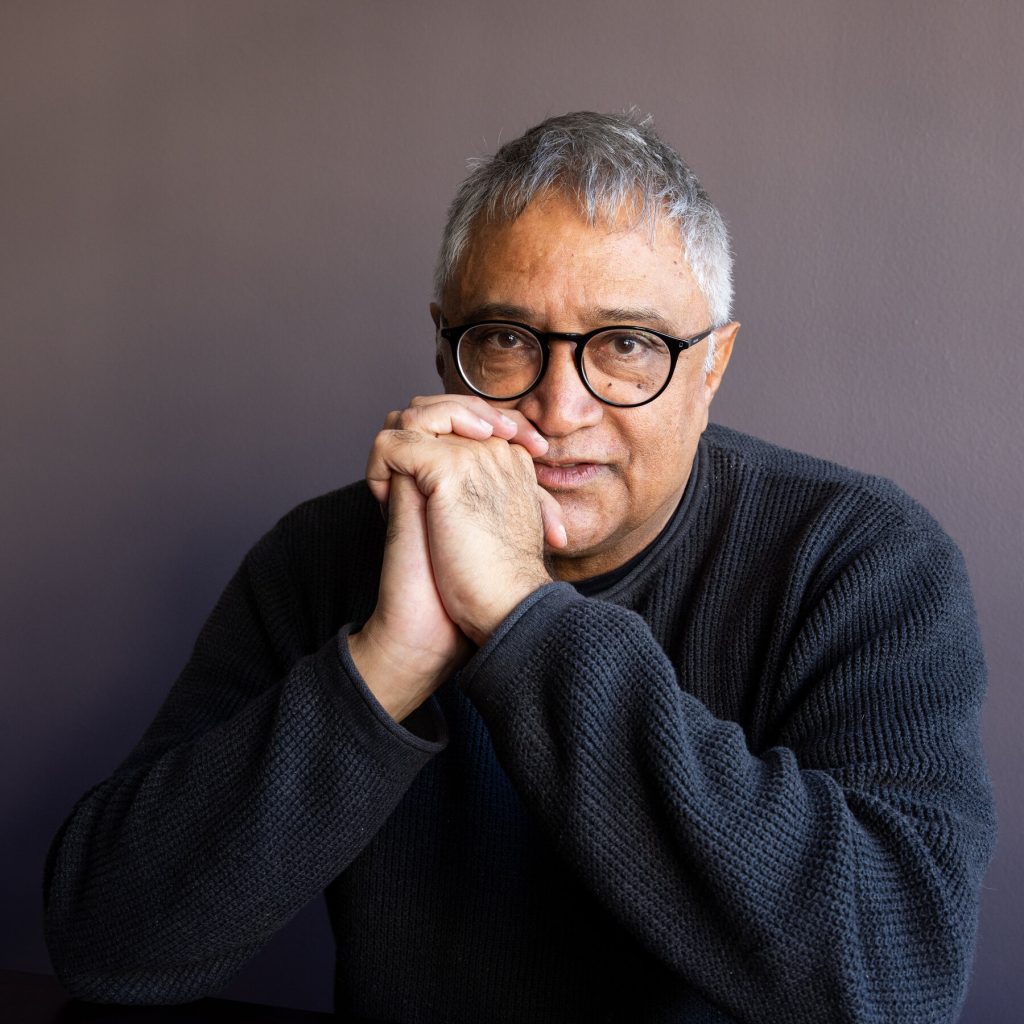
Zackie Achmat, once at the center of South Africa’s push for lifesaving H.I.V. treatment, has come out of retirement as U.S. funding cuts and his own government’s inertia revive old fears.
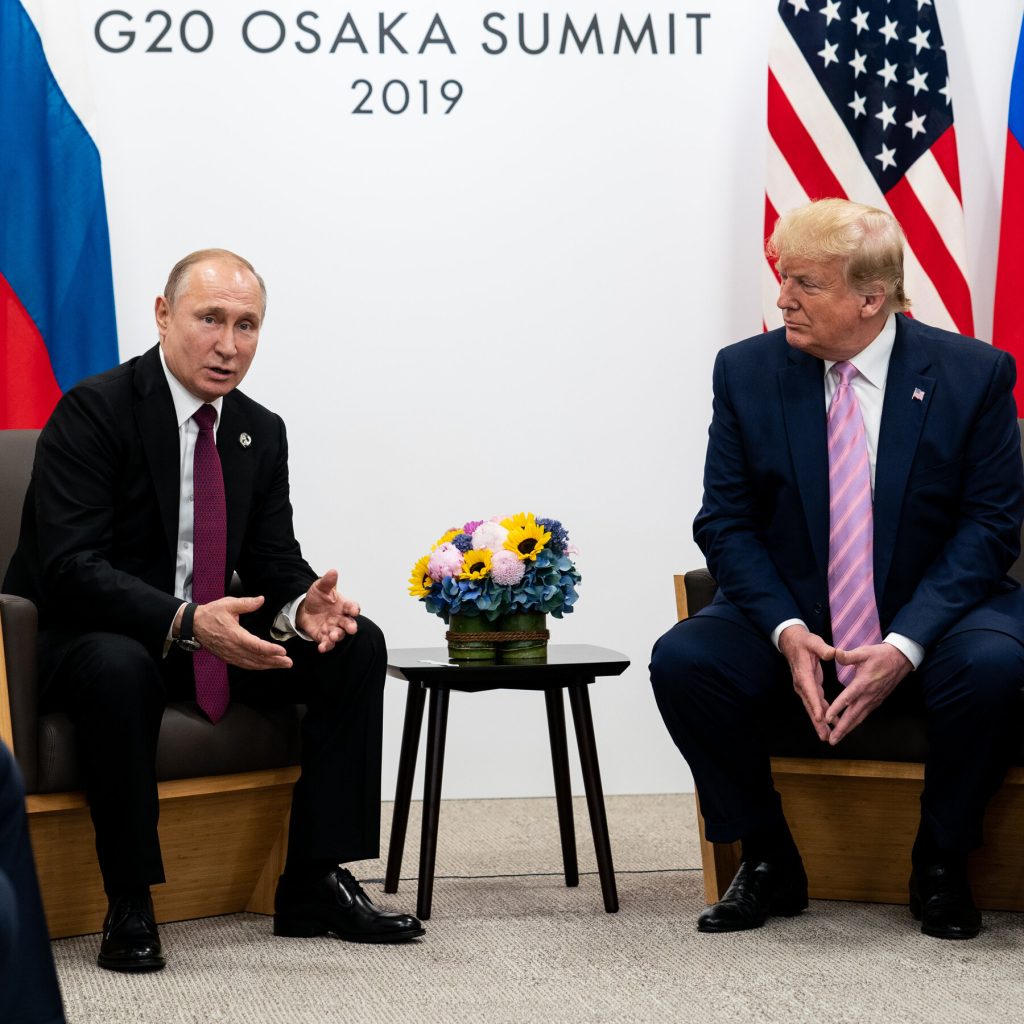
After years of lavishing praise on the Russian leader, President Trump abruptly changed his posture amid mounting frustration with the lack of progress on a cease-fire.
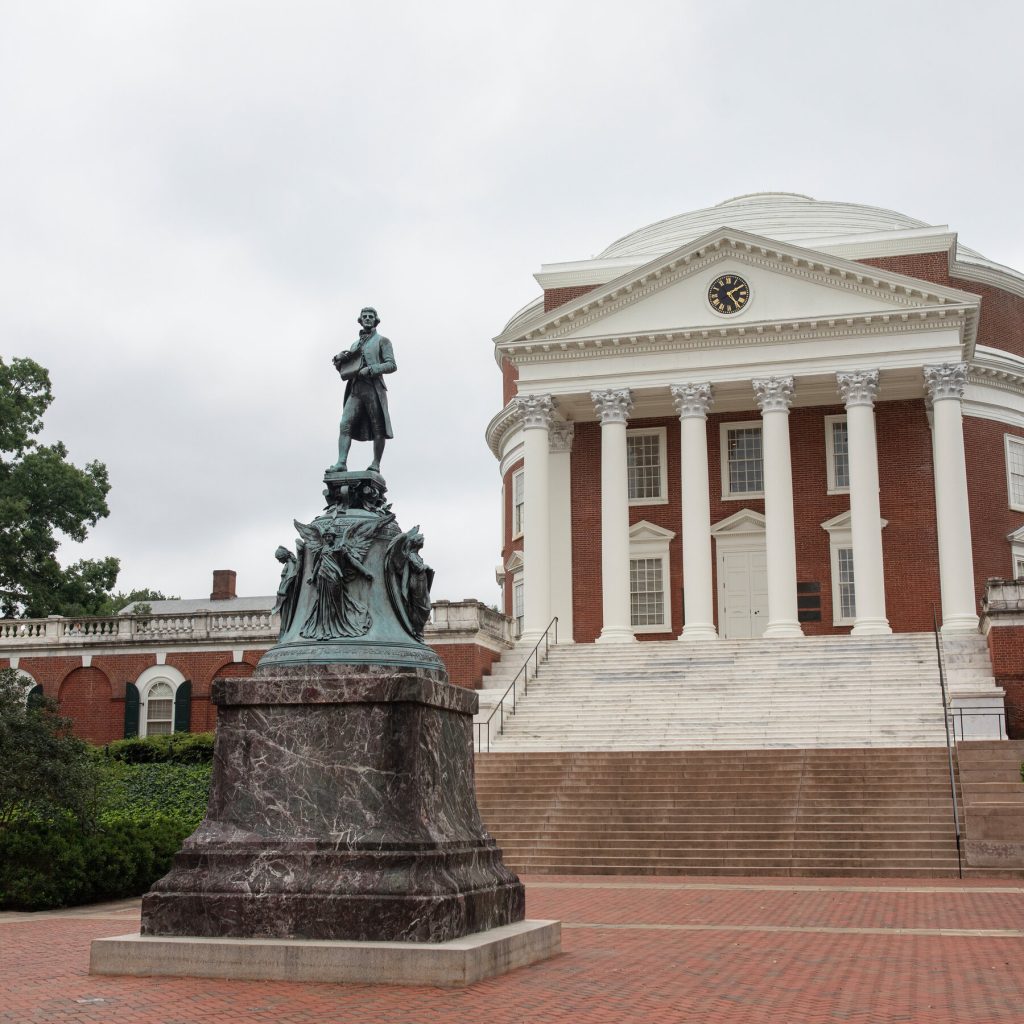
The Jefferson Council had called for eliminating D.E.I., without much success. But a new lawyer with ties to the group took on the cause for the Trump administration.
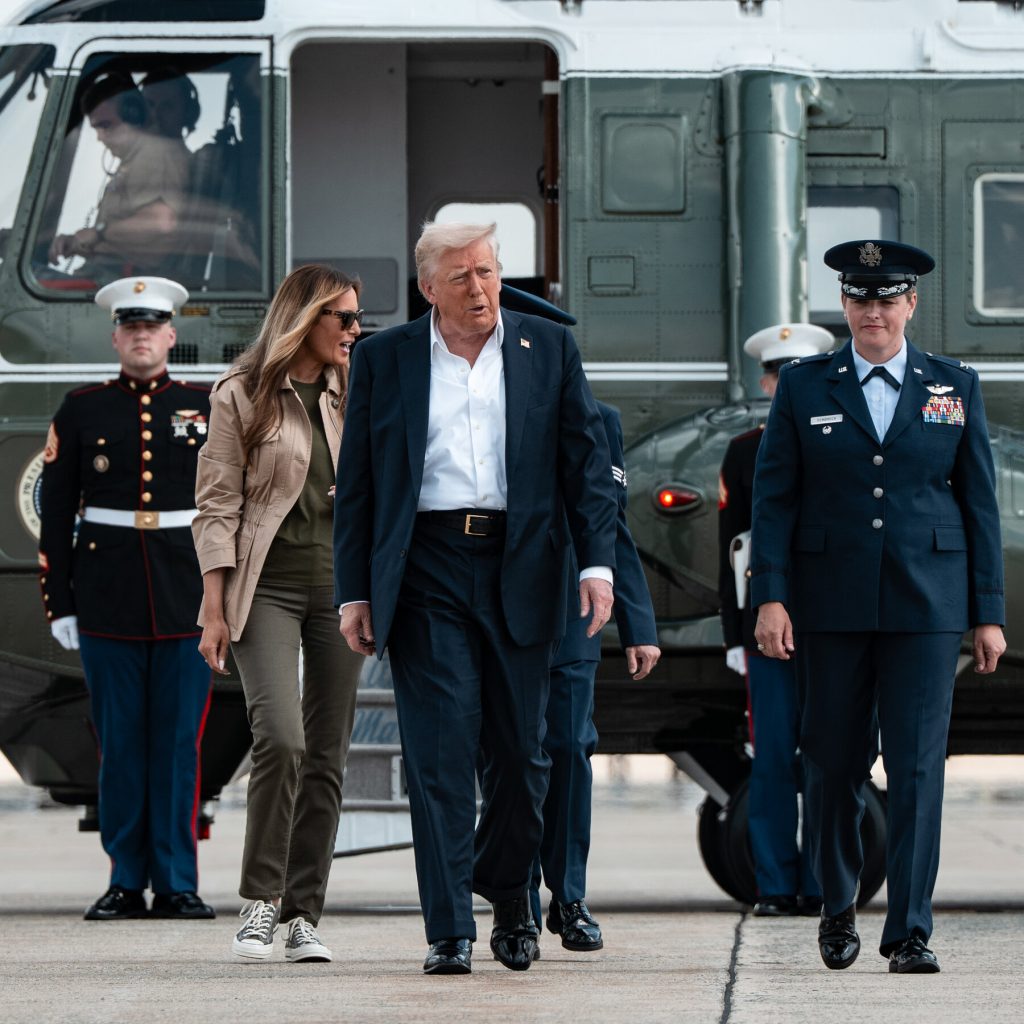
President Trump is expected this week to formalize a new plan to sell American weapons to European allies, who would pass them onto Kyiv.

Texans often draw on the idea of their own self-reliance during times of adversity. Gov. Greg Abbott has used it to deflect tough questions.