Author name: moderat ereport

ProPublica

The Man Running Israel’s Intelligence Operation

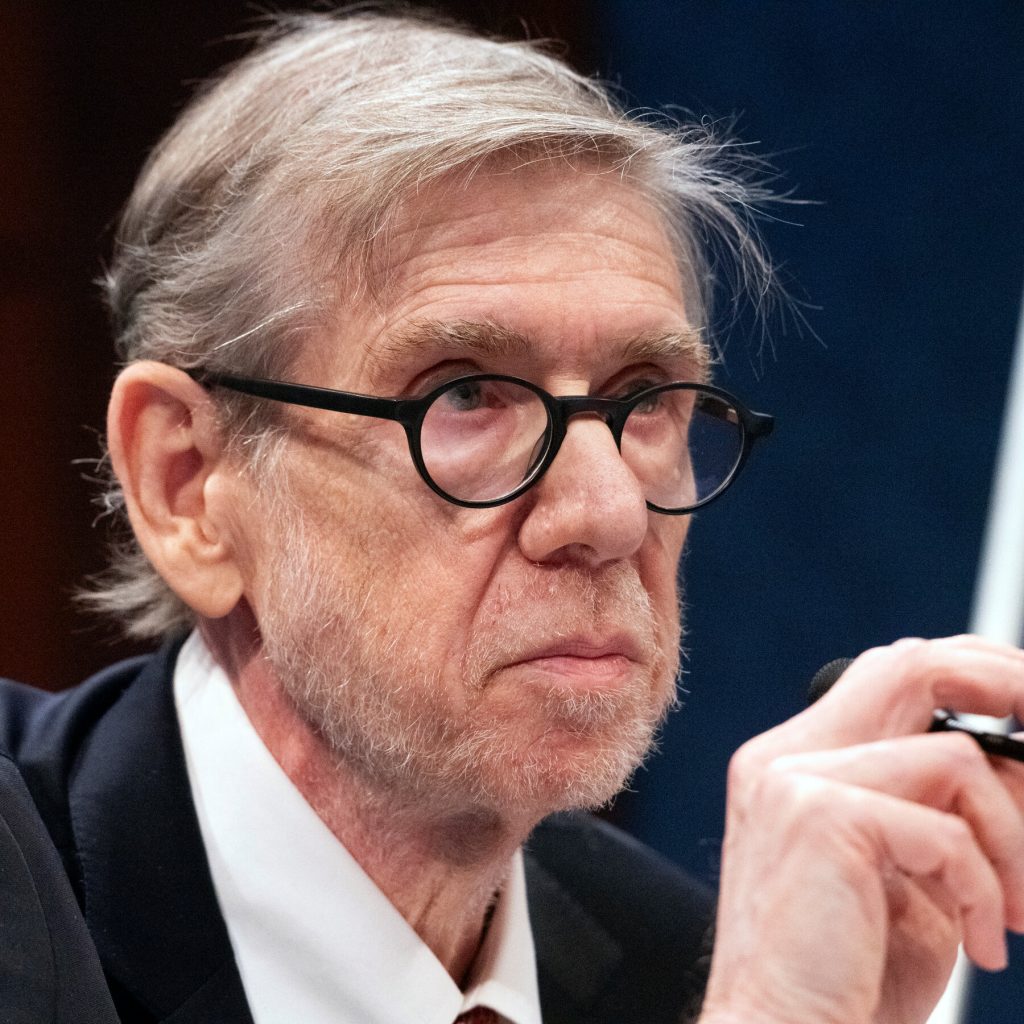
by Yossi Melman and Dan Raviv for ProPublica ProPublica is a nonprofit newsroom that investigates abuses of power. Sign up to receive our biggest stories as soon as they’re published. David Barnea, the director of the Mossad for some of the most remarkable successes in its storied history, never intended to be an intelligence officer. As a young man, he served as a team leader in the Israeli military’s most elite commando unit and then came to New York to study for a career in business. After earning a master’s degree in finance at Pace University, he took jobs at an Israeli investment bank and then a brokerage firm, the first steps toward a career in which the biggest danger was an unexpected shift in the world’s financial markets. Barnea’s world was jolted in November 1995 when an extremist right-wing Israeli assassinated Prime Minister Yitzhak Rabin at a peace rally. Rabin had signed the 1993 Oslo Accords with Yasser Arafat, leader of the Palestine Liberation Organization, and was pushing for a two-state solution to decades of conflict between Arabs and Jews. “The Rabin assassination shocked him like many other Israelis,” recalled David Meidan, a retired senior Mossad operative considered Barnea’s mentor. He said the killing prompted Barnea, at age 30, to rethink everything and look for “some meaning in his life.” A friend suggested he apply to the Mossad, and after passing the required physical and psychological tests, he was accepted into the agency’s trainee program. Barnea showed a knack for spotting, recruiting and running agents who would work for the Mossad inside countries hostile to Israel. A year after he joined the spy agency, he became a case officer in its Tzomet, or Junction, division. Meidan said Barnea had the qualities essential for success in the role: “emotional intelligence and empathy.” His foreign postings included years in a European capital, where Mossad colleagues said he proved to be charming, focused and determined. The latter qualities were evident from an early age. Barnea was born in Ashkelon, Israel, in 1965. His father, Yosef Brunner, left Hitler’s Germany in 1933 for British-ruled Palestine and eventually served as a lieutenant colonel in the early years of the Israel Defense Forces. At age 14, Barnea’s parents enrolled him in a military boarding school. He became a fitness fanatic and still runs or cycles when he has the chance. When it came time to do his required military service, Barnea won a coveted spot in the Sayeret Matkal, an elite commando unit frequently dispatched across Israel’s borders to collect intelligence or carry out covert attacks or sabotage. In the 1990s, when he began his career as a spy, the Mossad’s main focus was on Palestinian terrorism. Barnea, who speaks Arabic, proved adept at running agents in and around the PLO and other organizations. He rose through the ranks and was part of the Mossad’s leadership when it decided to make gathering intelligence on Iran its top priority in 2002. The shift reflected growing concern about Iran’s secretive nuclear program and its ties with powerful regional proxies such as Hezbollah. In 2019, Barnea was named deputy head of the Mossad and chief of its operations directorate. Within the agency, he stood out as an advocate of aggressive operations aimed at Iranian scientists, nuclear sites and Iran’s growing arsenal of missiles that could reach Israel. In November 2020, Barnea oversaw the operation that assassinated Mohsen Fakhrizadeh, a physicist and Islamic Revolutionary Guard Corps general who was in charge of the military aspects of Iran’s nuclear program. After months of surveillance by non-Israeli agents, the Mossad was able to figure out Fakhrizadeh’s travel patterns. A plan was hatched to park a Nissan pickup truck by the side of the road and install a unique remote-controlled machine gun on its bed. The weapon had a sophisticated camera and artificial intelligence software that would identify Fakhrizadeh and shoot only at him. The operation was controlled from Mossad headquarters, north of Tel Aviv, where Barnea was joined in the command center by his boss, agency director Yossi Cohen. They could see the nuclear physicist’s car approaching, and then the gun opened fire, hitting Fakhrizadeh several times while sparing his wife, who was sitting next to him. Seven months later, Barnea was appointed head of the Mossad by Prime Minister Benjamin Netanyahu. He is the 13th man to hold the job. In the years that followed, Barnea built on the strengths of the Fakhrizadeh operation, recruiting scores of non-Israeli agents for operations inside Iran. Those agents played crucial roles in the June airstrikes against Iran’s nuclear program, identifying the locations of nuclear scientists’ homes and knocking out Iran’s air defenses. A colleague in the Mossad’s top ranks, Haim Tomer, said that Barnea may not be as “strategic, charismatic or flamboyant” as some of his predecessors, but he has proved himself to be a “top-tier operator.” The Mossad’s successes under Barnea include the exploding pagers that decimated Hezbollah, the assassination of Iranian nuclear scientists and a Hamas political leader who was visiting Tehran, and the commando raids that destroyed Iran’s air defenses and allowed Israel to strike the nuclear facilities without losing a plane. Those missions represent a remarkable turnaround for Israelis in the intelligence community, many of whom felt they had failed the nation after the Oct. 7, 2023, attack in which Hamas killed more than 1,200 Israelis and kidnapped 251. That sense of shame was felt in every agency, even ones like the Mossad that were not chiefly responsible for monitoring Hamas. The Mossad’s directors generally serve for five years, and so Barnea, or Dadi as he is known to his staff, may be replaced by the middle of 2026; but his term could be extended as recognition of his successes. “These are historic days for the people of Israel,” Barnea told a gathering of operatives at Mossad headquarters after the brief war in June, where he referred to his close cooperation with the CIA. “The Iranian threat, which
ProPublica

How the Rapid Spread of Misinformation Pushed Oregon Lawmakers to Kill the State’s Wildfire Risk Map

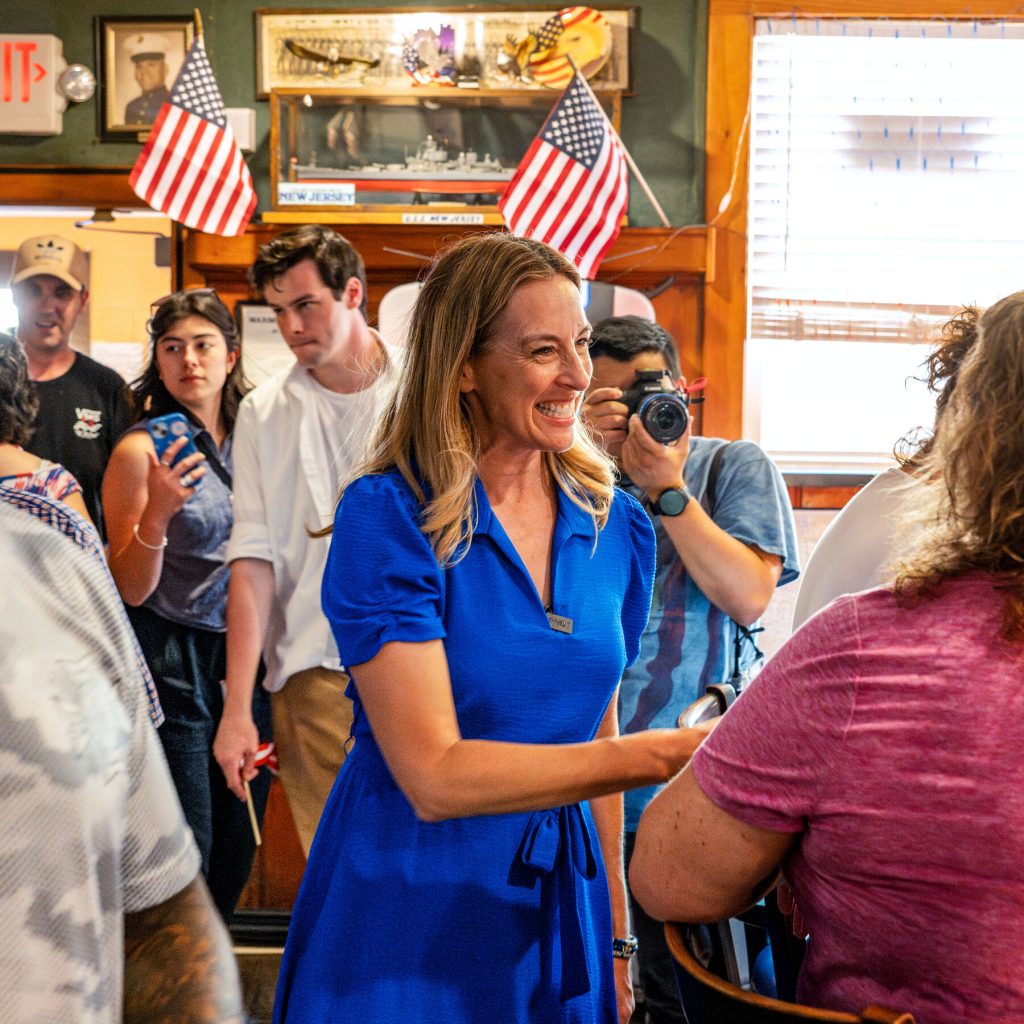
by Rob Davis ProPublica is a nonprofit newsroom that investigates abuses of power. Sign up for Dispatches, a newsletter that spotlights wrongdoing around the country, to receive our stories in your inbox every week. This is how misinformation gets accepted as fact. A year after Oregon endures its most destructive fire season on record in 2020, state lawmakers order a map estimating the wildfire risk for every property in the state. It’s the kind of rating now available on real estate sites like Zillow. The state wants to use the results to decide where it will apply forthcoming codes for fire-resistant construction and protections around homes. Around the same time, insurance companies start dropping Oregon homeowners’ policies and raising premiums to limit future losses, much as they have done in other disaster-prone states. Insurers have their own sophisticated risk maps to guide them, but some brokers instead tell homeowners the blame lies with the map the state produced. The belief gets treated as fact both on social media and in mainstream news — even though insurers and regulators say it’s not true. The anger quickly spreads. Not only is Oregon’s map seen as at fault for higher insurance premiums, one conservative talk radio host calls it an attempt to “depopulate rural areas.” People in an anti-map Facebook group start musing about “Agenda 21,” a conspiracy theory implicating the United Nations in an effort to force people into cities so they can be more easily controlled. By the time the state pulls back the map and starts over, the myths about it have gained so much momentum there’s no stopping them. Oregon’s hotter, drier climate isn’t the problem; the map is. Christine Drazan, the Oregon House Republican leader, joins more than a dozen other Republicans in February 2025 behind a sign that says “REPEAL THE WILDFIRE HAZARD MAP.” She calls the state’s map “faulty, defective, harmful” and says it, along with related fire-safe building and landscaping rules that are in the works, is “a heavy-handed bureaucratic takeover” that’s kept rural residents from insuring or selling homes. “This map is destroying their property values,” she says. In the end, what’s most remarkable about the campaign against Oregon’s wildfire map isn’t that misinformation found an audience. It’s that it worked. A melted sign hangs from a fence in Lyons, Oregon, in 2020. (Nathan Howard/Getty Images) Chris Dunn, a wildfire risk scientist at Oregon State University and a former wildland firefighter, thought Oregon had a chance to be a national model for adapting to wildfire risks when he was asked to make the statewide map in 2021. Oregon adopted a unique set of land use laws in the late 1960s and 1970s that helped curb urban sprawl. A coalition of farmers and conservationists formulated the legislation to preserve farmland and keep cities compact. To Dunn, protecting homes seemed within reach because the state had maintained agricultural buffers around cities, helping to serve as firebreaks. At the time, Zillow hadn’t yet come out with risk ratings. By building its own map, Oregon could use local input and make adjustments as it went along. The map results would help Oregon decide where to require a tool proven to save homes from wind-driven wildfires: “defensible space.” Owners would have to prune trees up and away from their houses; they would need to keep their roofs clear of leaves, needles and other dead vegetation. The idea was to deny wind-borne embers fuel that can burn down dwellings — a problem fresh on lawmakers’ minds after Oregon’s devastating 2020 fire season destroyed more than 2,000 homes. Dunn knew public communication would be important. Before the map was released, a private property rights group had warned its members in a letter that the map and its rules were worrisome. Gov. Kate Brown’s wildfire council, advising state leaders about the map’s rollout, knew about the letter and the potential for pushback, according to emails Dunn provided to ProPublica. Dunn said he was clear with Brown’s wildfire director, Doug Grafe, and others on the council that the map needed a significant, coordinated and effective communications campaign starting months before its release. Dunn said all the state developed was a one-page document on the roles of each government agency. (Brown and Grafe did not respond to ProPublica’s questions. Grafe told Oregon Public Broadcasting in 2022 that “we are committed to ensuring people understand what they can do to increase the likelihood their homes and properties will survive wildfires.”) Without state outreach, many homeowners learned their homes were in “extreme risk” zones from a July 2022 letter in the mail. It gave them 60 days to appeal the designation or face complying with new building and defensible-space codes the state was developing. The wildfire hazard map and online user interface, created by Chris Dunn, a wildfire scientist at Oregon State University, shows high hazard areas in orange and those with moderate hazards in purple. (Screenshot by ProPublica of the Oregon Statewide Wildfire Hazard Map) Dunn could see that an uproar was building around his work. One community meeting where he was scheduled to present was canceled after state officials received threats of violence. On Facebook, more than 6,000 people joined a private group, ODF Wildfire Risk Map Support, a base of opposition. ODF stands for the Oregon Department of Forestry, the state agency overseeing the map’s creation. One member warned that state officials would snoop around their rural properties to tell owners what to do. “Guys this is a agenda 21,” said the member, referencing the conspiracy theory promoted in part by former Fox News talk show host Glenn Beck. Along with 31 thumbs-ups, eight angry faces and several other emojis, the post got 24 comments. This insane bill out of Salem is crazy! Every designation was decided by an algorithm by politicians in Salem who don’t a clue about our property, our house, our lifestyles! If you think it’s not their agenda to destroy rural property owners, think again. (10 likes) The

Politics

Texas House Democrats Humiliate Trump And Greg Abbott

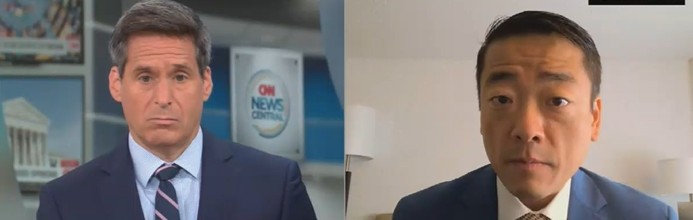
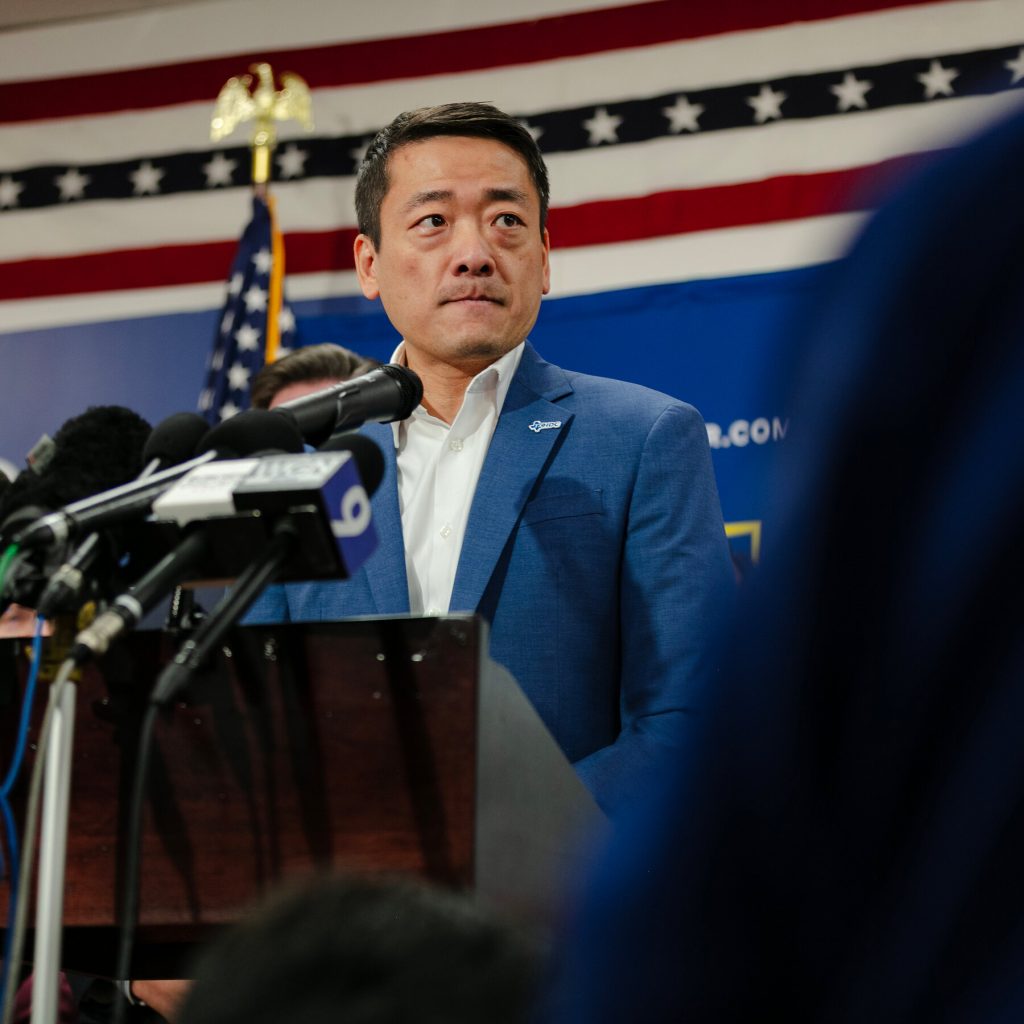
PoliticusUSA is independent news that can be a voice for truth, thanks to your help. Please support our work by becoming a subscriber. Subscribe now After Gov. Greg Abbott threatened to have the state House Democrats who left the state to deny Republicans a quorum so that they could pass a new gerrymandered election map, Texas House Minority Leader Gene Wu went on CNN’s News Central and during an interview with John Berman discussed Abbott’s threat. Video: Rep. Wu said: First of all, I would say, you know what? Today is a great day to end the corruption of Greg Abbott. This has gone on far too long. The public has been enraged about this. How politicians continue to tell the public pretty words, but never actually do what they say they would do. This is Governor Abbott being upset about that because he’s been caught doing exactly that. And to Governor Abbott, frankly, he doesn’t know how to read the attorney general’s opinions because he used to be attorney general. And frankly, Democrats say come and take it. CNN’s John Berman asked, “Come and take it. Do you think he could be successful taking your seats away?” Leader Wu said, “No, it’s all bluster, sound and fury signifying nothing.” Read more

Scroll to Top