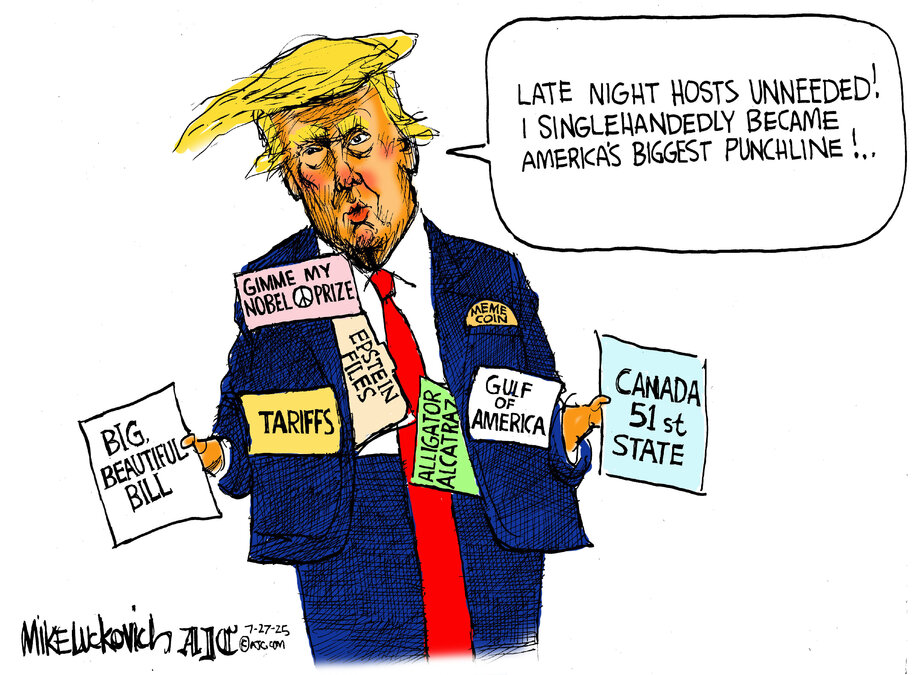
Cartoon: No longer hiring
A cartoon by Mike Luckovich. Related | ‘Bribery is still illegal’: Paramount merger reeks of Trump payoff

A cartoon by Mike Luckovich. Related | ‘Bribery is still illegal’: Paramount merger reeks of Trump payoff
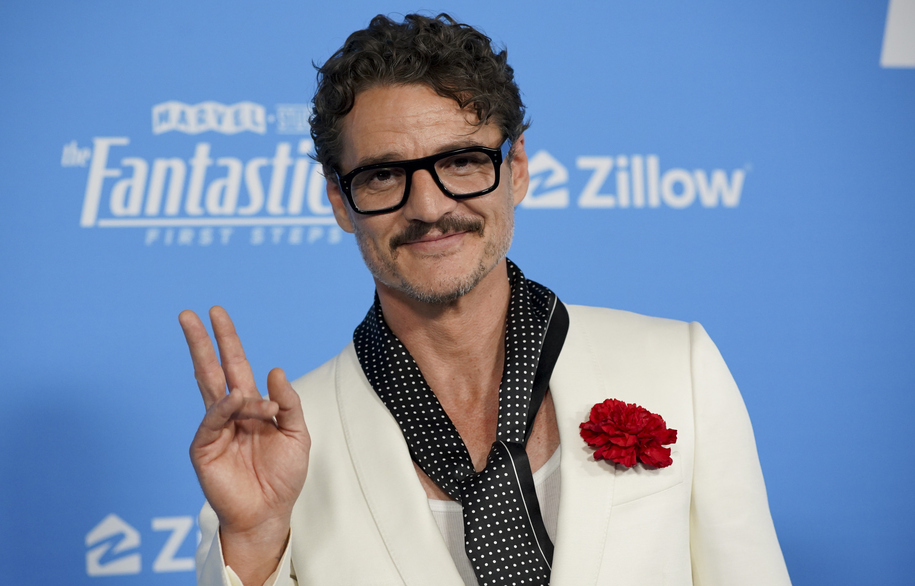
Pedro Pascal might be making his box office debut as a Marvel superhero in “The Fantastic Four: First Steps,” but he didn’t need to slip into spandex to become the leftist hero the right hates to see coming. As a matter of fact, the 50-year-old “babygirl”—an internet term used to describe a man unafraid to express his vulnerable side—has been a champion of issues that President Donald Trump and his supporters tend to foam at the mouth over. Take his fashion statements alone. In April, Pascal graced the red carpet with “PROTECT THE DOLLS” emblazoned across his chest. The slogan backs the transgender women currently under attack by Trump and his minions. And as a bearded man who has no fear when it comes to choosing style over being viewed as traditionally masculine, he is also unafraid to call out anyone who bashes the LGBTQ+ community. When “Harry Potter” author J.K. Rowling celebrated a new U.K. law this past April that strips more rights from transgender individuals, Pascal took to the comment section of a post regarding her celebration to publicly voice his disdain. “Awful disgusting SHIT is exactly right. Heinous LOSER behavior,” he wrote via Instagram in response to an influencer’s post. Pedro Pascal and his sister Lux Pascal at “The Fantastic Four: First Steps” premiere on July 21 in Los Angeles. And more recently in the U.S., when Trump’s team successfully shut down the federally funded LGBTQ+ suicide hotline, Pascal himself promoted The Trevor Project’s crisis hotline while calling out the attacks on the community. On top of many posts supporting the LGBTQ+ community and the constant championing of his transgender sister named Lux, Pascal used his platform to speak out when Trump’s ICE agents first began to infiltrate Los Angeles and target immigrants in the sanctuary city. Los Angeles was “built by the best of us,” he wrote alongside a video of proud Latino men and women. Pascal is the son of Chilean refugees who immigrated to the U.S. with their children. And he won’t let anyone forget that—especially now. In Cannes, he reminded reporters during the May film festival that he, too, is an immigrant and that he wanted to remain “on the right side of history.” “I want people to be safe and to be protected,” he said at the time. “I am an immigrant. My parents are refugees from Chile. We fled a dictatorship and I was privileged enough to grow up in the United States after asylum in Denmark.” “If it weren’t for that, I don’t know what would have happened to us.,” Pascal said. “I stand by those protections always.” But as the wildly popular Pascal stands up for these issues, a weird backlash is brewing—and conservatives seems to be grasping to find fault with the A-list actor. On Thursday, right-leaning online mouthpieces called out Pascal for what they likened to “Me too” behavior. “How does Pedro Pascal get away with heavily petting his female costars, in Hollywood of all places, after the entire industry was upended over MeToo several years ago?” John Ekdahl wrote in a now viral tweet. And while any criticism of unwarranted touching is always valid, Ekdahl—who appears to be referring to Pascal’s latest publicity tour with “Fantastic Four” costar Vanessa Kirby—seems to be missing the multiple videos where Kirby is enthusiastically “petting” him back. Then again, the concept of consent can be hard to explain to … some people. Related | Americans reject MAGA meanness as ‘Superman’ soars But while the right stays mad about Pascal’s ability to make any person feel comfortable around him, “The Last of Us” star has made it clear that no amount of fame or backlash will silence him. “I think it’s very easy to get scared no matter what you sort of talk about,” he told Sky News. “There’s so many different ways that things can get kind of fractured and have a life of itself really.” But regardless of how media outlets or haters try to misconstrue his words, he isn’t going away. “There’s one thing that you can say and no matter what your intention behind it, it is absolutely lost in all of these different headlines, I suppose, but I’ll never shut up,” he promised.
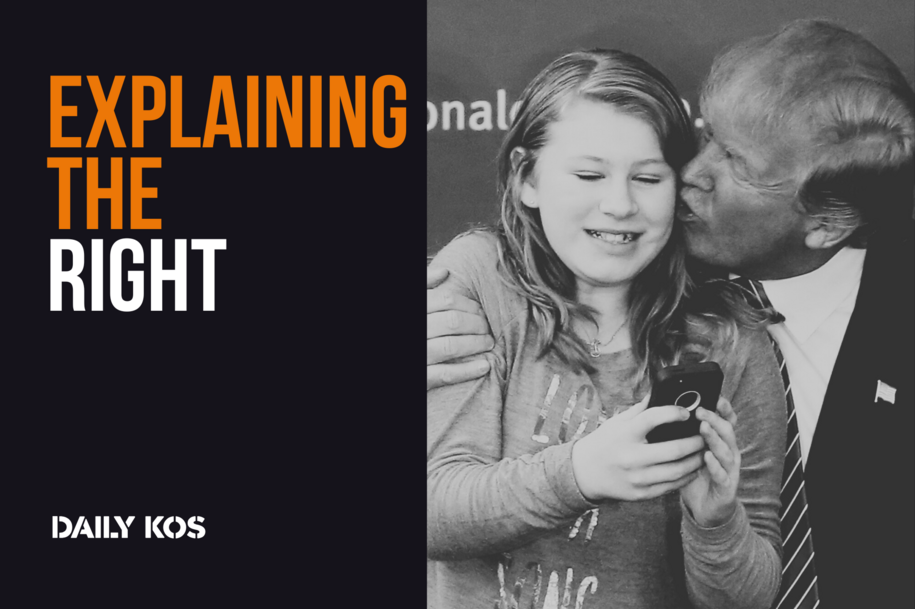
Explaining the Right is a weekly series that looks at what the right wing is currently obsessing over, how it influences politics—and why you need to know. Over the past week, House and Senate Republicans have joined the Trump administration in obstructing the release of the Epstein files—obscuring a scheme that victimized underage girls for the benefit of extremely wealthy men. This is just the latest chapter in the right’s long-running affiliation with pedophilia. The GOP itself has been involved in several pedophile-related scandals while also trying to leverage legitimate public concerns about child abuse for its political gain. A history of scandal President Donald Trump is the central figure in the current Epstein scandal. Trump and Jeffrey Epstein were known to be friends in the past, and the Wall Street Journal recently revealed that Trump sent Epstein a sexually explicit birthday letter, featuring a drawing of a naked woman and the message, “Happy Birthday—and may every day be another wonderful secret.” The Journal also reported that Attorney General Pam Bondi alerted Trump that his name was included in the Epstein files, which his administration has refused to release. But even outside of the Epstein scandal, Trump has a past chockfull of sexualizing young women, including children. In a 2006 interview with shock jock Howard Stern, Trump said he had no age limit on how young a woman he dated could be before stopping himself. President Donald Trump with Jeffrey Epstein in 1992 “No, I have no age—I mean, I have [an] age limit. I don’t want to be like Congressman Foley with, you know, 12-year-olds,” Trump said. Trump was also accused of walking into the dressing room at the Miss Teen USA beauty pageant—which Trump owned at the time—where contestants as young as 15 years old were undressing. According to witnesses, Trump said, “Don’t worry, ladies, I’ve seen it all before.” The Foley scandal that Trump ironically referenced contributed to Republicans losing control of Congress in the 2006 midterm elections. The GOP was left scrambling after it was revealed that then-Rep. Mark Foley of Florida sent inappropriate sexual texts to congressional pages. In one instance, Foley reportedly sent explicit emails to a former page who was 16 years old at the time. Republican leadership was aware of Foley’s actions but did not remove him from his position or otherwise sanction him. The Republican leader who presided over the Foley scandal turned out to be an offender himself. Speaker Dennis Hastert, who held his position from 1999 to 2007, admitted in court that he repeatedly sexually abused boys who he coached when he was a high school wrestling coach. The topic of wrestling was also involved in the sexual abuse scandal involving Rep. Jim Jordan of Ohio, one of Trump’s most prominent congressional supporters. Jordan has been accused of turning a blind eye to sexual abuse perpetrated against members of the Ohio State wrestling team, where Jordan was a coach. Some of the victims were underage, including one who said he was 14 or 15 when he was abused. And Republicans had a similar problem on their hands when Alabama Judge Roy Moore ran for Senate in 2017. Moore was accused by multiple women of attempting to engage them in romantic relationships when they were as young as 14 years old and Moore was in his 30s. Moore lost the race to Democrat Doug Jones. Abuse allegations as a campaign tactic Republicans have also used the issue of child sexual abuse as a political weapon, usually by promoting baseless conspiracy theories to attack the left and any institutions seen as unfriendly to the conservative movement. The Pizzagate conspiracy falsely alleged that prominent leftists were trafficking children and inspired a would-be shooter in Washington, D.C. The related QAnon conspiracy—promoted by figures close to Trump—pushed similarly unhinged notions and has been the motivation for several crimes including murder. QAnon adherents even made the baseless claim that furniture retailer Wayfair was somehow involved in the trafficking of children. Related | Pentagon head offers crucial invite to antisemitic Pizzagate pusher Ahead of his failed presidential run, Florida Gov. Ron DeSantis spearheaded a campaign accusing Disney of “grooming” children in an attempt to affiliate acceptance of LGBTQ+ people with abuse. The campaign was highly promoted by Fox News, the right’s leading propaganda outlet. Similarly, conspiracies surrounding Epstein and his death were invoked by the right as a way to attack Democrats and elites who conservatives have linked to liberalism. The reelection of Trump was supposed to reveal the inner workings of these networks once and for all. Backfire Now the right has been forced to scramble. Instead of proving their conspiracies about Epstein, it is Republicans who are suffering in public opinion polling. Trump, a diehard conspiracy theorist, is now the central figure deflecting questions about the Epstein files. Republicans who have politically capitalized on public fears about child abuse are now being dragged down by yet another pedophile scandal.
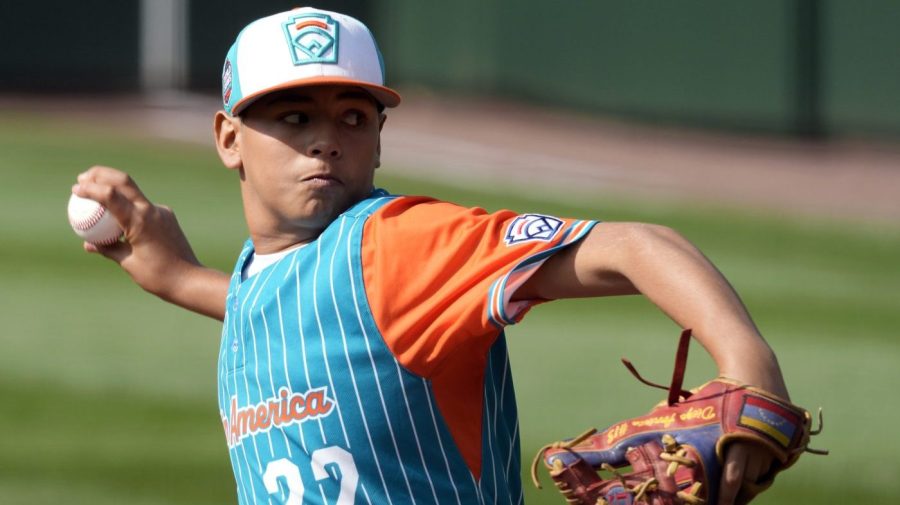
A Venezuelan Little League baseball team will miss the Senior Baseball World Series held in South Carolina after it was was denied entry into the U.S. because the players were unable to obtain visas. Cacique Mara Little League team, from Maracaibo, Venezuela, qualified for the World Series after winning the Latin American championship in Mexico,…
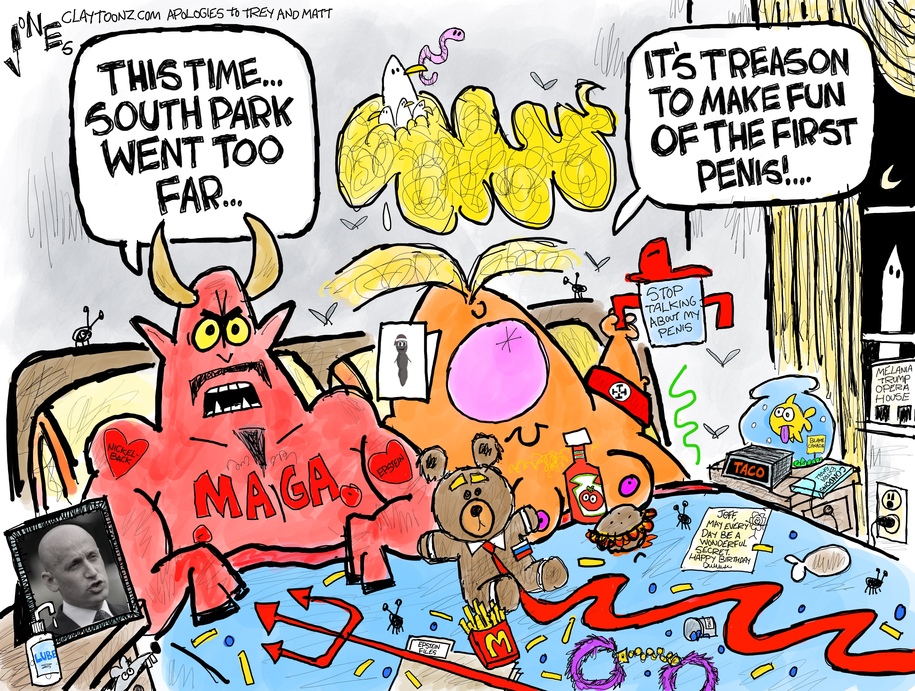
A cartoon by Clay Jones. Related | ‘South Park’ dresses down Trump in shocking PSA
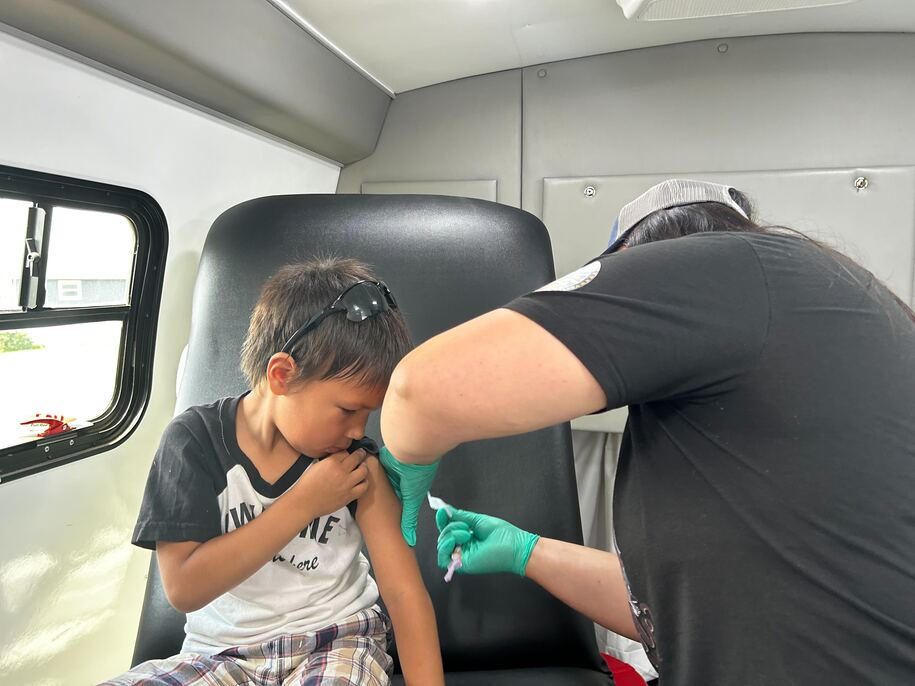
By Arielle Zionts for KFF Health News Cassandra Palmier had been meaning to get her son the second and final dose of the measles vaccine. But car problems made it difficult to get to the doctor. So she pounced on the opportunity to get him vaccinated after learning that a mobile clinic would be visiting her neighborhood. “I was definitely concerned about the epidemic and the measles,” Palmier, a member of the Oglala Sioux Tribe, said at the June event. “I wanted to do my part.” So did her son, Makaito Cuny. “I’m not going to be scared,” the 5-year-old announced as he walked onto the bus containing the clinic and hopped into an exam chair. Makaito sat still as a nurse gave him the shot in his arm. “I did it!” he said while smiling at his mother. The vaccine clinic was hosted by the Great Plains Tribal Leaders’ Health Board, which serves tribes across Iowa, Nebraska, and the Dakotas. It’s one way Native American tribes and organizations are responding to concerns about low measles vaccination rates and patients’ difficulty accessing health care as the disease spreads across the country. Meghan O’Connell, the board’s chief public health officer, said it is also working with tribes that want to host vaccine clinics. Related | RFK Jr. wants to overhaul a vital system that supports childhood immunization Elsewhere, tribal health organizations have launched social media campaigns, are making sure health providers are vaccinated, and are reaching out to the parents of unvaccinated children. This spring, Project ECHO at the University of New Mexico hosted an online video series about measles aimed at health care professionals and organizations that serve Native American communities. The presenters outlined the basics of measles diagnosis and treatment, discussed culturally relevant communication strategies, and shared how tribes are responding to the outbreak. Participants also strategized about ways to improve vaccination rates, said Harry Brown, a physician and an epidemiologist for the United South and Eastern Tribes, a nonprofit that works with 33 tribes in the Atlantic Coast and Southeast regions. “It’s a pretty hot topic right now in Indian Country and I think a lot of people are being proactive,” he said. Measles can survive for up to two hours in the air in a space where an infected person has been, sickening up to 90% of people who aren’t vaccinated, according to the Centers for Disease Control and Prevention. The U.S. has had 1,319 confirmed cases of measles this year as of July 23, according to the CDC. It’s the largest outbreak in the U.S. since 1992. Ninety-two percent of the 2025 cases involve unvaccinated patients or people with an unknown vaccination status. Three people had died in the U.S. and 165 had been hospitalized as of July 23. O’Connell said data on Native Americans’ vaccination rates is imperfect but that it suggests a lower percentage of them have received measles shots than the overall U.S. population. The limited national data on measles vaccination rates for Native Americans is based on small surveys of people who self-identify as Native American. Some show that Native Americans have slightly lower measles vaccination rates, while others show significant gaps. Data from some states, including South Dakota and Montana, shows that Native Americans are less likely than white children to be vaccinated on schedule. The national measles vaccination rate is significantly lower for Native Americans who use the mostly rural Indian Health Service. About 76% of children 16 to 27 months old had gotten the first shot, according to data collected by the agency during recent patient visits at 156 clinics. That’s a 10-percentage-point drop from 10 years ago. But the IHS data shows that its patients are at least as likely as other children to have received both recommended measles shots by the time they’re 17. O’Connell said it’s unclear if currently unvaccinated patients will continue the trend of eventually getting up to date on their shots or if they will remain unvaccinated. The immunization rate is probably higher for older children since schools require students to get vaccinated unless they have an exemption, Brown said. He said it’s important that parents get their children vaccinated on time, when they’re young and more at risk of being hospitalized or dying from the disease. The Oyate Health Center serves Native Americans in Rapid City, South Dakota, and surrounding areas. The center’s response to the measles outbreak has included hosting mobile vaccine clinics like this one outside the community center of a predominantly Native American neighborhood. Native Americans may have lower vaccination rates due to the challenges they face in accessing shots and other health care, O’Connell said. Those on rural reservations may be an hour or more from a clinic. Or, like Palmier, they may not have reliable transportation. Another reason, O’Connell said, is that some Native Americans distrust the Indian Health Service, which is chronically underfunded and understaffed. If the only nearby health care facility is run by the agency, patients may delay or skip care. O’Connell and Brown said vaccine skepticism and mistrust of the entire health care system are growing in Native American communities, as has occurred elsewhere nationwide. “Prior to social media, I think our population was pretty trustful of childhood vaccination. And American Indians have a long history of being severely impacted by infectious disease,” he said. European colonizers’ arrival in the late 1400s brought new diseases, including measles, that killed tens of millions of Indigenous people in North and South America by the early 1600s. Native Americans have also had high mortality rates in modern pandemics, including the 1918-20 Spanish flu and COVID-19. The Great Plains Tribal Leaders’ Health Board reacted quickly when measles cases began showing up near its headquarters in South Dakota this year. Nebraska health officials announced in late May that a child had measles in a rural part of the state, close to the Pine Ridge Indian Reservation. Then, four people from the Rapid City area got sick later that month and into the middle of June. “Our phones really rang off the hook” once that
Injustice for All is a weekly series about how the Trump administration is trying to weaponize the justice system—and the people who are fighting back. What exactly is Alina Habba’s job title these days? The pathetic and flailing attempts of the Department of Justice to keep former parking garage lawyer Alina Habba in the top job at the District of New Jersey may have come to an end, for now. Habba, without a doubt, is wildly unqualified for the role. Her past experience representing President Donald Trump in personal matters and the aforementioned parking garage gig do not in any way mean she should be the top prosecutor in that district. Alina Habba The problem for Trump is that Habba’s embarrassingly thin resume is likely too much even for the all-too-agreeable Senate Republicans. Interim U.S. attorneys can only keep that job for 120 days, after which the judges in the district could agree to extend it. They did not, which kicked off the world’s dumbest fight, where Attorney General Pam Bondi fired the career prosecutor the judges had named as Habba’s replacement, a move that does not help Habba get the job. But as of Friday, the matter seems resolved, and all it took was tons of chicanery and bad faith. The administration pulled Habba’s nomination from the Senate, so she is now able to serve as acting U.S. attorney for another 210 days. If Habba were truly a viable and reasonable candidate, she’d get past the Senate, the district court judges, or both. But she’s an inexperienced hothead in thrall to the president, and it’s that thrall, rather than any actual experience, that will keep her in the gig. Treat time at the Supreme Court By now, writing about Trump’s success at the nation’s highest court is a fill-in-the-blanks sort of thing: On ______, Trump went to the Supreme Court to ask for _________. The court’s conservatives agreed, staying the lower court order from ___________. This time around, the administration needed the Supreme Court to bless yet another of Trump’s illegal firings of members of independent boards and agencies. In May, Trump removed the Democratic appointees of the Consumer Product Safety Commission, part of his overall assault on independent agencies. Sure, removing them without cause is literally barred by statute, but why would that matter if you have the Supreme Court on speed dial. Obligingly, on Wednesday, the court’s conservatives ruled that Trump can go right ahead. Of course, they won’t actually decide on the merits, but instead are just doing this all on the shadow docket and just calling it a stay. This is a favorite trick of both Trump and the right-wing justices. But call it what it is: another shadow overruling of Humphrey’s Executor v. United States. That Supreme Court precedent forbids the president from doing exactly what he did here. However, in a May shadow docket ruling, Trump v. Wilcox, the Supreme Court told Trump to just go right ahead, but without having the honesty to openly overrule Humphrey. Now, in the CPSC case, the court’s conservatives relied on their own nonexistent reasoning in Wilcox to just say that welp, CPSC commissioners are just like the other ones we’re letting him fire, but no, we won’t tell you why. It’s a really terrific and sustainable way to run a justice system. Treat time at the Ninth Circuit It can’t just be the Supreme Court that has to do the hard work of kneecapping lower courts in service to Trump. This week, a three-judge panel of the Ninth Circuit Court of Appeals granted the administration’s request for a stay, so they don’t have to turn over their reduction-in-force plans. In a suit brought by the American Federation of Government Employees challenging the mass firings, the lower court initially enjoined the administration from carrying out the firings. The Supreme Court, as you could have predicted, stayed that order, because of course. When the case went back down after that, the lower court ordered the administration to provide the RIFs it is using in sealed copies to the court and attorneys for the plaintiffs. That seems fair and logical, because how can the plaintiff employees fight their mass termination without knowing the reasoning for that mass termination? Oh, you sweet summer child. Per the administration, even that is too much. Thanks to the Ninth Circuit, those will all stay secret—even from the plaintiffs affected. Also a really terrific and sustainable way to run a justice system. Treat time at the Eighth Circuit MyPillow CEO Mike Lindell … but this time for Mike Lindell! It’s nice to see that the federal courts can be solicitous toward not just Trump, but also to the lesser denizens of Trump World. So this time, an all-GOP panel on the Eighth Circuit Court of Appeals stretched the law well past its breaking point to figure out a way to let Lindell off the hook for the $5 million he owes a software developer who disproved his claims of election fraud. The decision is almost stupefyingly boring, turning as it does on a fight over the scope of the term “related to,” but the bottom line is that at least in this instance, everything is coming up Lindell. Missouri attorney general continues to act out Spare a thought for Missourians who have to endure having Andrew Bailey, a mini-Trump if ever there was one, as their attorney general. When he isn’t busy writing to technology companies complaining their chatbots aren’t nice enough to Trump, he’s suing Planned Parenthood. Anything to get attention from Daddy. The basis of Bailey’s suit is that Planned Parenthood is lying about the effects of mifepristone, the drug used in medication abortions. Never mind that literally over 100 studies found the drug to be safe and effective. Bailey thinks that even the Federal Drug Administration’s label language is wrong because of “recent studies” showing how dangerous it is. What studies? You don’t know them. They go to another school.
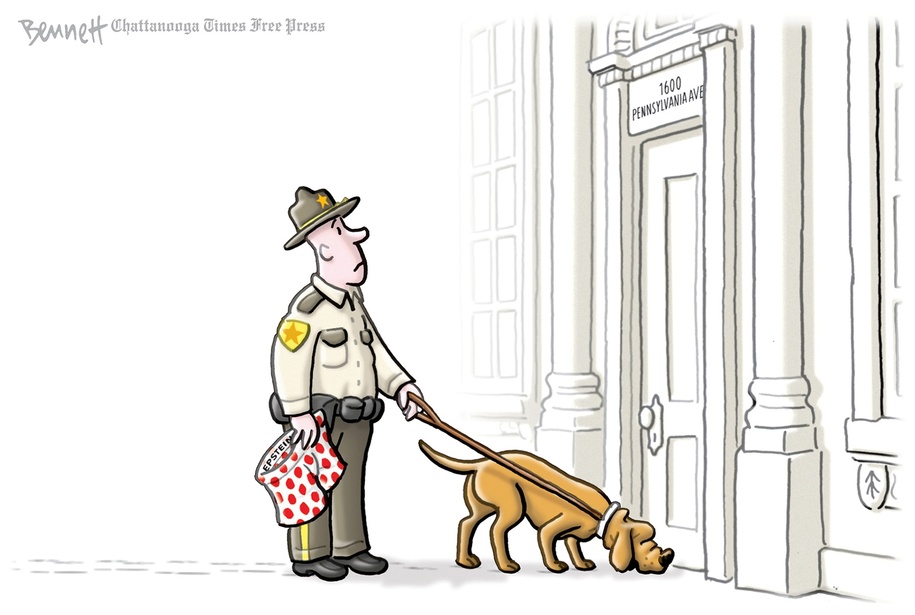
A cartoon by Clay Bennett. Related | Guess who’s reportedly named in the Epstein files
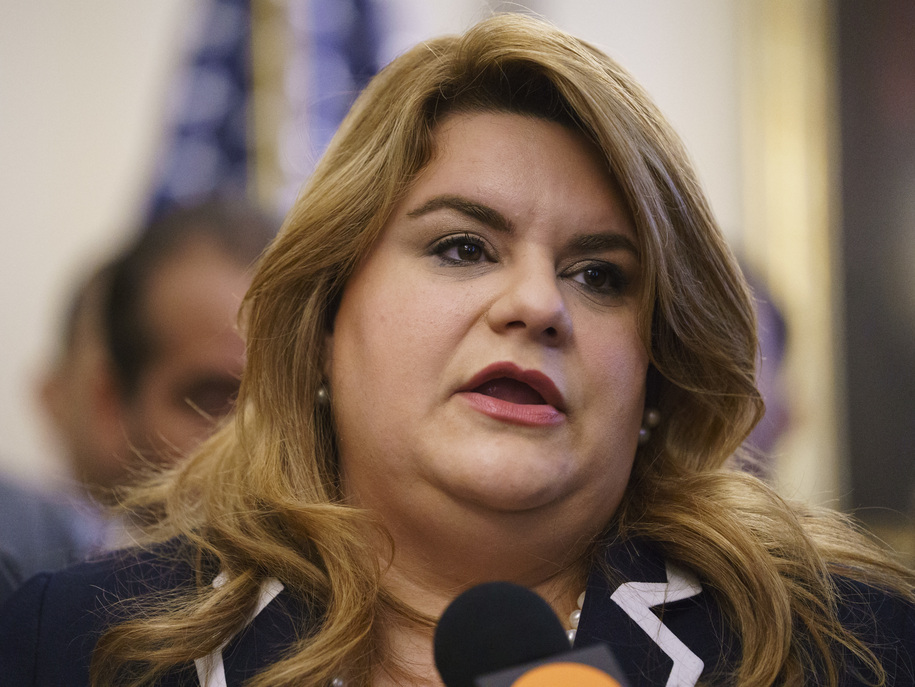
Caribbean Matters is a weekly series from Daily Kos. Hope you’ll join us here every Saturday. If you are unfamiliar with the region, check out Caribbean Matters: Getting to know the countries of the Caribbean. Puerto Rico has made it into mainland news headlines recently, and this time it’s not because of Bad Bunny or a hurricane, but for a human-made disaster. The U.S. territory has launched an attack on trans youth, according to this AP story titled “Puerto Rico bans hormone therapy and gender surgery for trans people under 21”: Puerto Rico’s governor has signed a bill that prohibits hormone therapy or gender-affirming surgeries for transgender youth, a move that has drawn sharp criticism from activists in the largely conservative U.S. territory. The law approved late Wednesday applies to those younger than 21 and calls for 15 years in prison for any violators, as well as a $50,000 penalty and the revocation of all licenses and permits of medical staff. “Minors, having not yet reached the necessary emotional, cognitive, and physical maturity, are particularly vulnerable to making decisions that can have irreversible consequences,” the law reads. “Therefore, it is the State’s duty to ensure their comprehensive well-being.” It also states that public funds cannot be used for such purposes. Puerto Rico’s LGBTQ+ Federation criticized the law in a statement Thursday. “Let there be no doubt: We will go to court to challenge the constitutionality of the governor’s cruel and inhumane signing of a law that criminalizes health professionals for caring for trans minors,” said Justin Jesús Santiago, the federation’s director. Puerto Rico associations that represent physicians, surgeons, psychologists, social workers, lawyers and other professionals had urged the governor to veto the bill. Roughly two dozen U.S. states have similar laws. Puerto Rico has just banned gender affirming care for trans people up to age 21. It is now the ban with the highest age limit in the United States. www.nbcnews.com/nbc-out/out-… [image or embed] — Alejandra Caraballo (@esqueer.net) July 17, 2025 at 12:40 PM CBS reported that the new “Puerto Rico law criminalizes hormone therapy and gender-affirming surgery for transgender people under 21”: Puerto Rico’s governor has signed a bill that prohibits hormone therapy or gender-affirming surgeries for transgender youth, a move that has drawn sharp criticism from activists in the largely conservative United States territory. Puerto Rican Gov. Jennifer Gonzalez approved the law late Wednesday, following a wave of similar legislation passed across the U.S. The law applies to people younger than 21 and calls for 15 years in prison for any violators, as well as a $50,000 penalty and the revocation of all licenses and permits of medical staff. […] GLAAD, a nonprofit organization focused on LGBTQ rights advocacy and media monitoring, were among the critics that had urged Gonzalez to veto the bill after it passed through Puerto Rico’s legislatures. In a statement released jointly with the LGBTQ+ Federation earlier this month, the organization said such restrictions “would create unbearable burdens for the most marginalized in Puerto Rico.” GLAAD’s statement makes an important point: GLAAD is supporting on-the-ground advocates in raising the alarm about the serious risk the bill poses to transgender people on the island, literally cutting them off from lifesaving care that is supported by every major medical association in the world. Unlike in much of the contiguous U.S., Puerto Ricans are unable to just drive over to a friendly state to find alternative providers. Transgender people in the territory who lose access would be stranded if they do not have significant money and resources to explore other options for care. Nothing has changed about the care including its safety and efficacy – the bill’s movement is the direct result of an extreme environment of disinformation that’s now infecting U.S. territories where marginalized people are already under greater threat. 3. President of the Puerto Rico LGBTQ+ Federation, Pedro Julio Serrano, told Erin in the Morning that because the law was intentionally “vague,” it opens up the very real possibility that not only doctors, but also affirming parents of trans people, could be prosecuted under this law. [image or embed] — Erin Reed (@erininthemorning.com) July 20, 2025 at 3:35 AM Journalist S. Baum weighed in via the Erin in the Morning Substack: Puerto Rican Governor Jenniffer González Colón, a Trump-aligned Republican, signed the most severe ban on gender-affirming care anywhere within the United States or its territories. Act 63-2025, the title of which translates to an “Act for the Protection of the Health and Well-being of Minors in Puerto Rico,” criminalizes the provision of gender-affirming hormone treatment or surgery for anyone under the age of 21, even with consenting parents. This can include 15 years in prison, a $50,000 fine, and the loss of any medical certifications. President of the Puerto Rico LGBTQ+ Federation, Pedro Julio Serrano, told Erin in the Morning that because the law was intentionally “vague,” it opens up the very real possibility that not only doctors, but also affirming parents of trans people, could be prosecuted under this law—if they facilitate the provision of hormone replacement therapy (HRT) or affirming medical procedures like “top” surgery. It also directs the Department of Education and Department of Health to wage an “educational” campaign focusing on the “risks” associated with trans-affirming health care, geared towards parents, medical providers, and the “general community.” The law was pushed through the legislative process through a series of non-public hearings, Serrano said. At the recommendation of Puerto Rico’s Health Secretary, Víctor Ramos Otereo—who was appointed by the Governor herself—it was sent back to the legislature; Serrano said Otereo suggested adding amendments that would allow for puberty blockers as well as the continuation of care for trans Puerto Ricans already on HRT. “[Ramos] vehemently told [Governor Colón] to include that language in the bill or not sign the bill,” Serrano said. “Then she signed the bill. So she ignored her own Health Secretary.” This means adolescents and young adults currently on puberty blockers or HRT to treat gender dysphoria are

People feel disconnected from politics and government. And that disconnection leads them to vote based on nonissues like trans athletes. The best way to reconnect them? Make it blazingly obvious how the government helps them. For example, don’t just hide benefits in obscure tax credits or long-horizon infrastructure projects. Send them freakin’ checks. President Donald Trump is the dumbest motherfucker to ever occupy the Oval Office—but, damn, he knows how to rally the masses. When COVID-19 stimulus checks went out under his watch, he made sure that his name was on them. In contrast, President Joe Biden reverted to letting the Treasury secretary sign them, a mistake he recently admitted was “stupid.” Now Trump is toying with the idea of sending Americans checks funded by tariff revenue. A COVID-19 stimulus check with President Donald Trump’s name on it. “We’re thinking about that actually. We have so much money coming in, we’re thinking about a little rebate,” Trump told reporters before heading off to Scotland on Friday. He said that the rebate might go to “people of a certain income level, adding that “the big thing we want to do is pay down debt. But we’re thinking about a rebate.” It’s worth noting that paying down debt was the original justification Trump gave for his economy-destroying tariffs—and, yes, higher prices are coming. But voters don’t actually care about debt. They say they do, but it’s not how they vote. The deficit and debt are abstract, disconnected from people’s daily struggles—just like climate change often is. What voters do respond to is someone promising to lower prices or offer free stuff—like lower prices on Day 1 and free buses. Direct checks are politically potent. If Democrats had converted the Child Tax Credit into monthly payments signed by Biden, they could have campaigned in 2024 with a simple message: “Republicans will cancel your checks. Vote accordingly.” Now imagine Trump distributing tariff rebates to voters. Republicans in 2026 or 2028 could easily say, “Democrats will repeal those tariffs and cancel your checks.” Even if the counterargument is that the tariffs cost more than the check is worth, that’s a hard message to land. So far, Trump’s tariffs have brought in $113 billion over the past 9 months. Assuming that none of those tariff revenues offset the massive $3.4 trillion in new debt created by the GOP’s “One Big, Beautiful Bill,” that works out to a one-time payment of $437 per person—or about $48 a month. Not nothing, but not life-changing either. President Donald Trump announces his tariffs on “Liberation Day.” Looking forward, the Tax Foundation estimates that Trump’s tariffs will generate $2.5 trillion over the next decade. That’s about $245.5 billion per year. Divide that by 336 million Americans, and it comes to roughly $731 a year, or $61 a month. That’s better than current levels, given that many of Trump’s proposed tariffs are still in limbo, but again, it won’t move the economic needle for most people. Trump did say that the checks would go to people “of a certain income level,” which means they could be targeted toward his working class base and end up larger than the estimated $61 monthly payment. But that same Tax Foundation model also projects that Trump’s tariffs will shrink GDP by nearly a percentage point and eliminate almost 800,000 jobs. The economic damage would be real—and it would disproportionately hurt the very same low-income workers that these checks are supposedly meant to help. Still, it’s good politics. And it’s the kind of thing that Democrats should have been doing all along—just without the economic destruction. And our version should make the richest 1% pay for it.