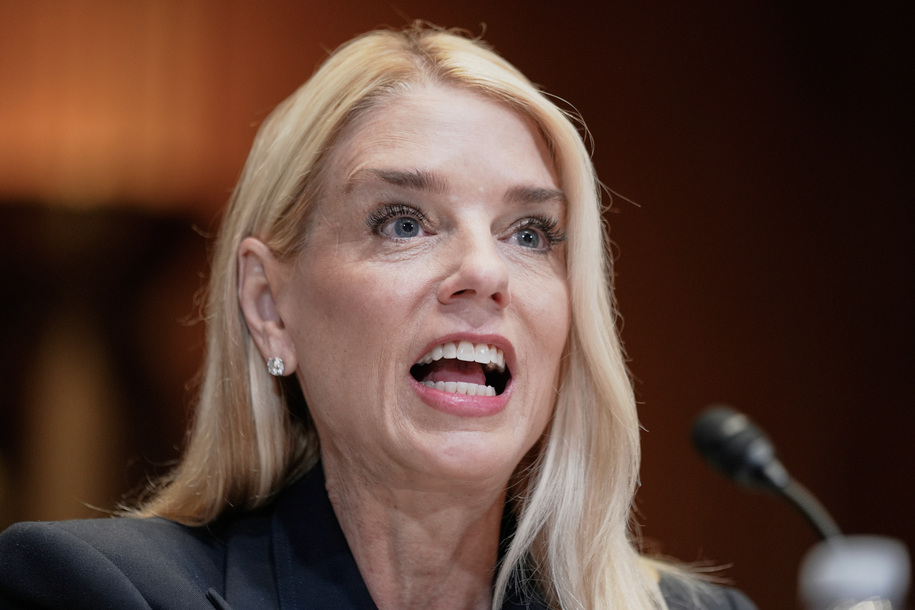
Pam Bondi has really pissed off MAGA
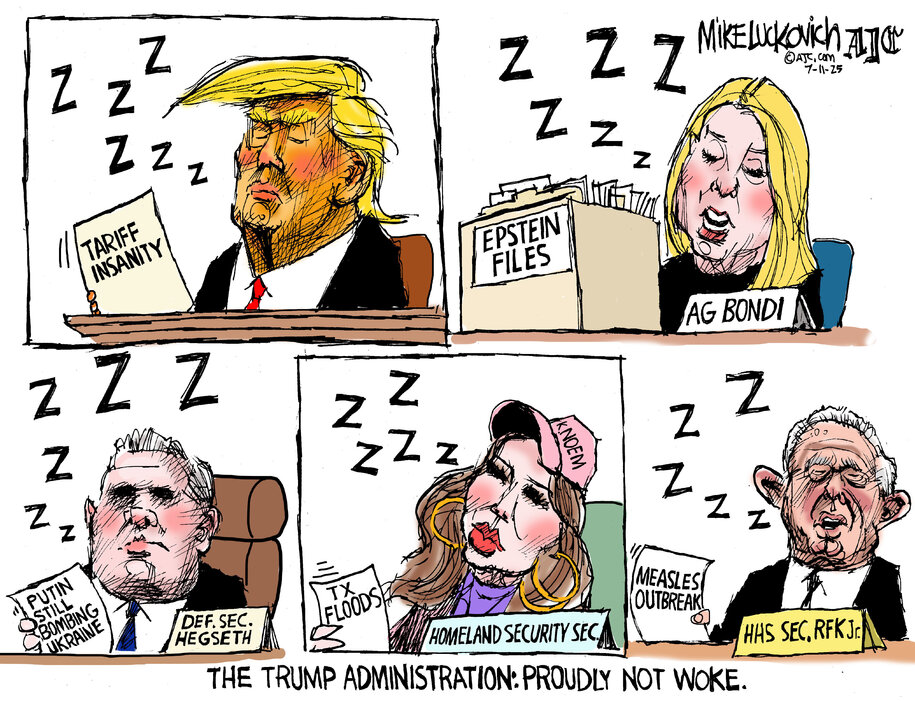
President Donald Trump’s Make America Great Again movement is looking for a scapegoat as its members rage about the Trump administration’s Sunday announcement that there are no bombshell files about convicted sex offender Jeffrey Epstein. It appears they have landed on Attorney General Pam Bondi. Axios reported that FBI Deputy Director Dan Bongino—who spread Epstein conspiracy theories as a podcaster before Trump appointed him to the role he’s unqualified to hold—”took a day off from work” on Friday because he was so mad at Bondi. CNN reported that Bongino is considering resigning, while one source told Axios they believe Bongino may have already quit. FBI Deputy Direct Dan Bongino, shown in 2020, before assuming that role. “He ain’t coming back,” a “source close to Bongino” told Axios. Bongino is reportedly mad that Bondi publicly overhyped the supposed Epstein client list, which Trump’s Department of Justice now says doesn’t exist. Meanwhile, right-wing influencer and noted bigot Laura Loomer—who has Trump’s ear—also claimed on X that FBI Director Kash Patel is “LIVID” with Bondi “over her DOJ Memo and the lack of transparency from her office regarding the Jeffery Epstein files.” “Pam Blondi has brought total embarrassment to President Trump, @JDVance, @dbongino and @Kash_Patel. She has also LIED to the American people,” Loomer wrote in her post, using a pejorative name for the attorney general, and adding that Bondi “needs to be fired for this.” Bondi did appear to lie to the American people when she said in February that she had Epstein’s client list “sitting on my desk right now to review,” only to admit on Sunday that no such list exists. YouTube Video This is not the first time Bondi has found herself in hot water over the so-called Epstein files. Bondi came under fire in February after she staged an embarrassing stunt at the White House in which she gave MAGA influencers binders whose covers were labeled “The Epstein Files, Phase 1,” only for those binders to hold virtually no new information. But the latest Epstein files debacle is sending MAGA into a tailspin as they try to come to terms with the fact that the Trump administration is telling them that the conspiracy theories they’ve pushed for years are false. “The Trump admin’s handling of the Epstein files has been a massive unforced error,” CNN’s Harry Enten said Friday. “Trump may wish it goes away, but Google searches for Epstein are up 1,200% this week. It’s the top topic searched with Trump today. More have Googled Epstein this week than Grok or tariffs.” Trump, for his part, has tried to downplay the entire matter around Epstein and his supposed files. At a Cabinet meeting earlier this week, Trump snapped at a reporter who tried to ask about the Epstein files, “Are you still talking about Jeffrey Epstein? This guy’s been talked about for years.” “At a time like this, where we’re having some of the greatest success and also tragedy with what happened in Texas, it just seems like a desecration,” he added. YouTube Video But since MAGA can never turn on its Dear Leader, it now looks like they’ve landed on Bondi as their scapegoat. We’ll see how long she lasts in the administration.