
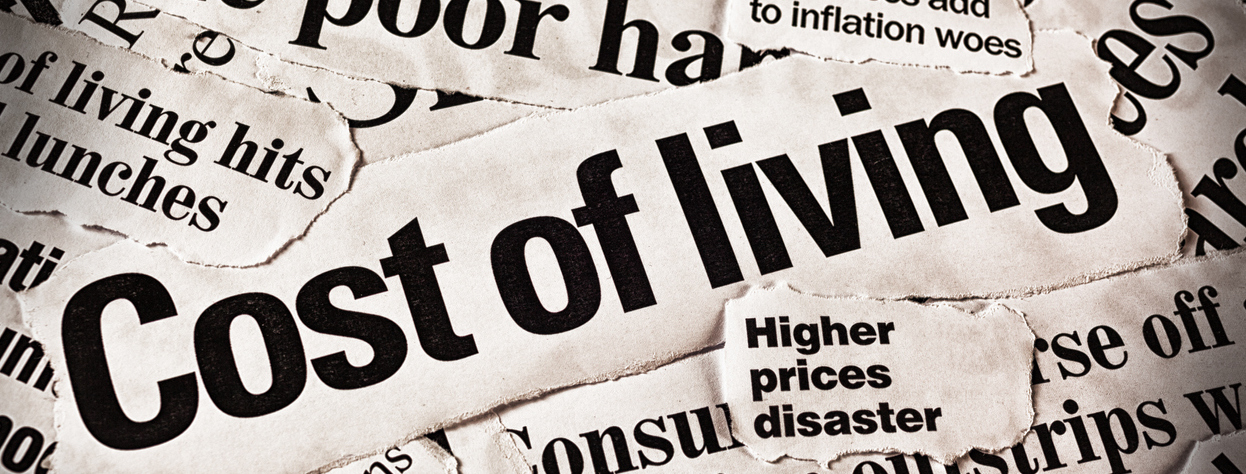
The political class keeps insisting the British economy is stabilizing, but ordinary people are experiencing something completely different in real-time. A growing number of polls now show Britain becoming one of the most economically pessimistic countries in the developed world as households struggle under rising living costs, weak growth, higher taxes, energy inflation, and collapsing purchasing power.
Gallup recently found that only 19% of Britons believe economic conditions are improving, placing the United Kingdom among the gloomiest populations globally. Another survey found that 71% of UK adults expect the economy to worsen over the next year, while millions of households are already skipping meals because they simply cannot keep pace with rising costs. Those are depression-era behavioral patterns beginning to emerge inside a modern Western economy.
This is exactly what happens when governments destroy the middle class gradually through inflation and declining purchasing power.
Britain is now being squeezed from every direction simultaneously. Energy prices remain structurally elevated despite falling from peak crisis levels. Food inflation has permanently reset household budgets higher. Mortgage costs surged after interest rates climbed rapidly from the artificial zero-rate era. Rent costs continue rising aggressively. Council taxes, utility bills, insurance premiums, transportation costs, and debt payments are all eating away at disposable income.
The media still points to headline GDP numbers while ignoring the lived reality underneath the surface. Ordinary people do not judge the economy through government press releases. They judge it through grocery bills, electricity statements, housing costs, and whether their wages still cover basic living expenses at the end of the month.
Britain’s retail sector recently recorded its worst collapse in sales in more than 40 years. Consumer confidence remains near recessionary levels. Business investment has weakened sharply because companies no longer trust the long-term outlook. The country never fully recovered from the combined damage of lockdowns, energy shocks, inflation, and rising debt burdens.
The ECM projected Europe would enter a depressionary phase into 2028 because confidence in government and financial stability would steadily erode. Britain is now moving directly into that cycle. People feel the deterioration before official statistics fully reflect it because households experience inflation and declining living standards immediately.
The Bank of England cannot solve this problem through monetary policy. Lowering rates risks reigniting inflation while higher rates continue crushing affordability. Governments, meanwhile, keep expanding debt, military spending, migration costs, climate initiatives, and public obligations while growth underneath the surface weakens steadily.
The younger generation faces perhaps the bleakest outlook of all. Homeownership has become increasingly unattainable in large parts of the country. Real wages stagnated for years. Student debt burdens remain elevated. Many younger Britons now spend enormous portions of their income simply on rent, utilities, transportation, and food without building any meaningful long-term wealth.
That destroys confidence in the future itself. What people are feeling now is not merely a temporary slowdown. It is the long erosion of living standards after years of monetary manipulation, debt expansion, deindustrialization, and political mismanagement. Governments inflated asset prices while the real economy weakened steadily underneath.
Brits are feeling the collapse in real time because the pressure has finally reached household level. Once the middle class begins losing confidence broadly, political instability always follows shortly afterward.